Apache Lucene Scoring: BM25 Relevance vs StableTfl Consistency
A comparison of Apache Lucene's BM25 scoring and StableTfl for paginated search: BM25 maximizes relevance, while StableTfl trades a small relevance drop for consistent ranking across replicas and pages.
Apache Lucene scores documents with BM25 using corpus-wide statistics such as document frequency, which makes relevance strong but causes scores to drift as replicas and indexes change. StableTfl is a Lucene similarity that drops corpus statistics and scores using term frequency, document length, and term length as a rarity proxy. In a comparison, BM25 wins on peak relevance, while StableTfl wins on repeatable pagination and multi-replica consistency. The right choice depends on whether your search is ranked once for discovery or must return the same order across pages, replicas, and RAG retrieval steps.
FAQ
Why do BM25 scores drift across pages or replicas?
BM25 uses corpus-wide statistics such as document frequency. As the corpus changes or replicas see different index states, the same query can receive different scores, so pagination can duplicate or skip results. Workarounds like sticky routing or index snapshots add extra state to manage.
What do you give up by switching from BM25 to StableTfl?
StableTfl drops corpus statistics and scores with term frequency, document length, and term length as a rarity proxy. In BEIR benchmarks it reaches 0.315 NDCG@10 versus BM25's 0.346, about a 9% relative drop. Choose it when stable ordering matters more than peak relevance.
When should I keep BM25 in a Lucene-based search stack?
Keep BM25 when peak relevance is the priority and you can absorb consistency work with extra state. StableTfl is better suited to paginated search, RAG pipelines, and multi-replica deployments where the same query should return the same score.
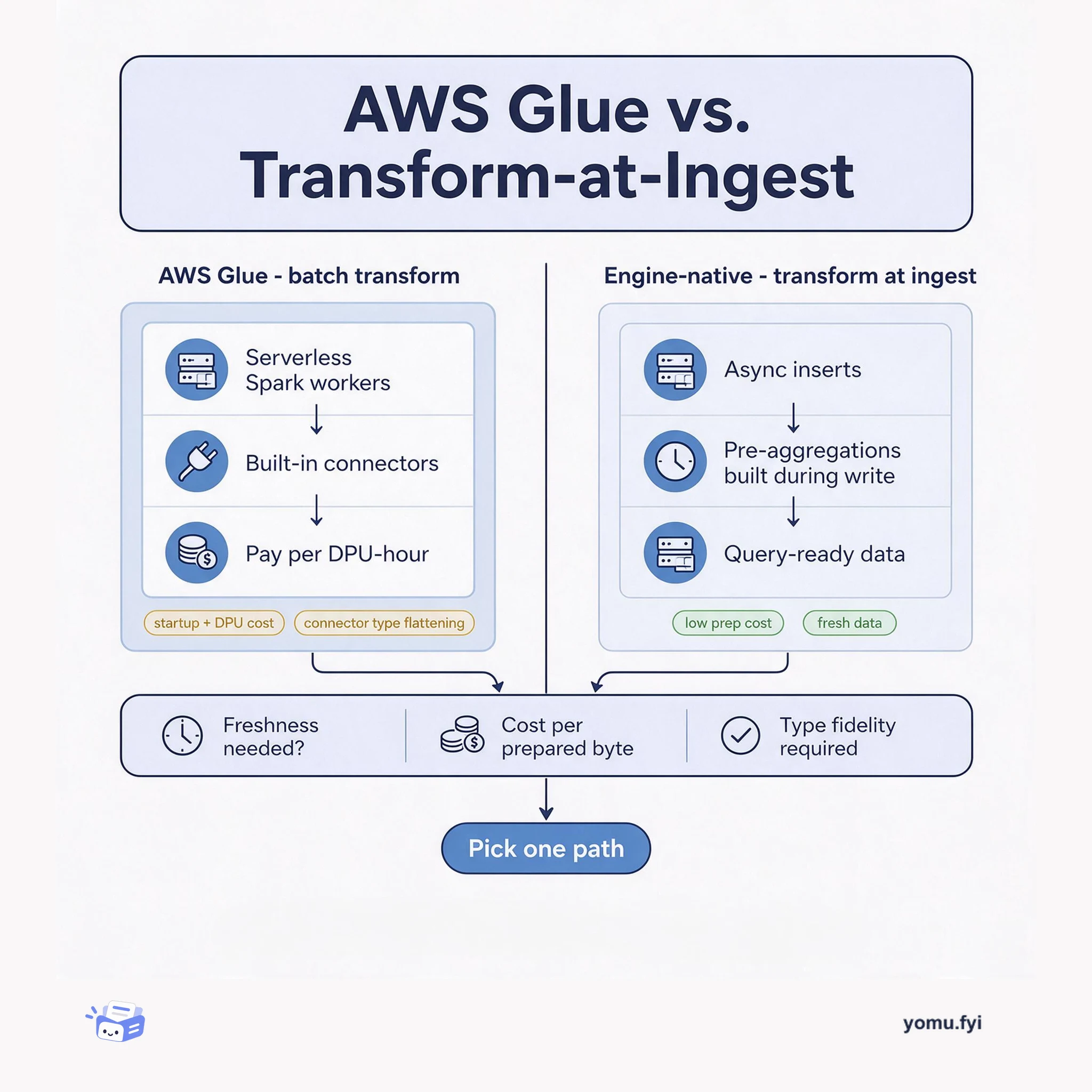
AWS Glue runs serverless Spark jobs that transform data in batches; engine-native pipelines transform during ingestion. This comparison shows how to pick between them by freshness, cost, and data fidelity.
Compare two mental models for brand: a static artifact (logos, guidelines, centralized control) and a living operating system (values, APIs, support, trust). See which choices fit your engineering team.
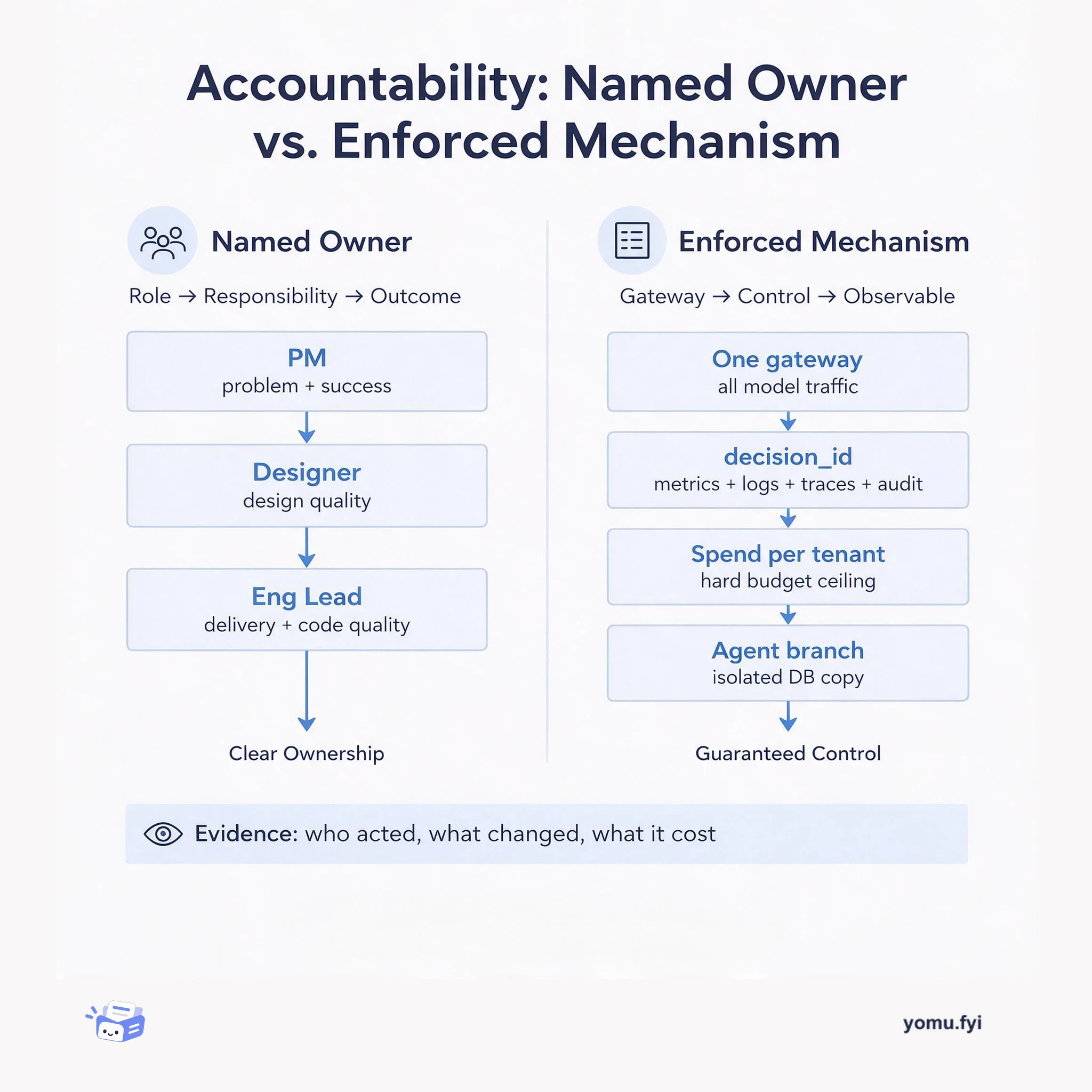
A side-by-side comparison of the two accountability models engineers actually rely on: a named human owner per outcome, and system-enforced traces, budgets, and isolation.
The Good Stuff
Paid picks we use ourselves. Links carry a referral code — a subscription through one earns us a commission at no extra cost to you.