A five-checkpoint walkthrough of what a B2B SaaS tenant actually needs: provisioning, identity and session defaults, per-tenant data isolation, agent access, and localized governance.
A B2B SaaS product is not multi-tenant just because it has an organizations table. This explainer walks through five checkpoints that turn a customer organization into an isolated, governable tenant: provisioning the tenant bundle of application, API, roles and SSO connections; locking token and session defaults; scoping every request to one tenant with row-level security; extending the tenant boundary to agents that act as the signed-in user; and adding regional consent and org-level spend limits. Each checkpoint names the outcome you should be able to demonstrate before moving on.
FAQ
Why isn't an organizations table enough for multi-tenancy?
Tenancy is enforced per request. Supabase's .NET SDK attaches auto-refreshed tokens to each call so row-level security decides what a user sees, and its MCP server block runs every tool call as the signed-in user. Publishable and anon keys are safe for clients, but secret and service keys bypass row-level security and belong on the server.
How much of a tenant setup can be declared as code instead of clicked?
Auth0's Terraform modules turn the foundation into modules: one b2b-saas-starter block creates an application, API, tenant settings, attack protection and MFA, defaulting to RBAC, PKCE, rotating refresh tokens and TOTP MFA. Roles, permissions and enterprise SSO connections are described as data and validated, every default can be overridden, and extra apps can skip tenant-wide resources.
What breaks first when agents start acting inside a customer tenant?
Client onboarding, not model quality. Auth0's CIMD support lets agent clients register dynamically from an HTTPS metadata URL, and Application Profiles apply refresh token rotation and DPoP across those clients without manual review. Governance layers such as JetBrains Air Governance add org-level caps on agents, models and spend so dynamic clients stay accountable.
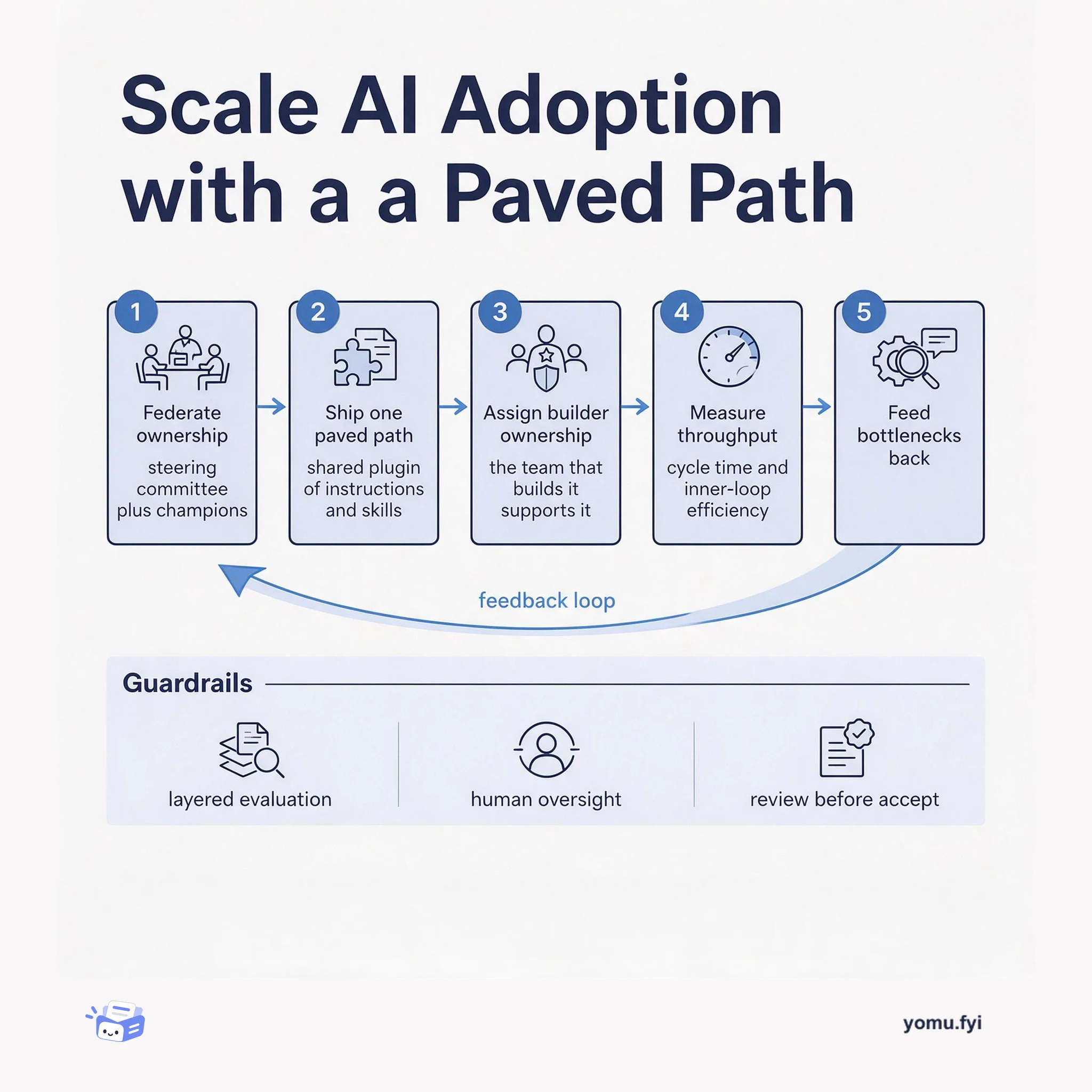
A five-step how-to for scaling AI adoption across engineering teams: federate ownership, ship one shared paved path, let builders own their tools, measure throughput, and feed bottlenecks back into the path.
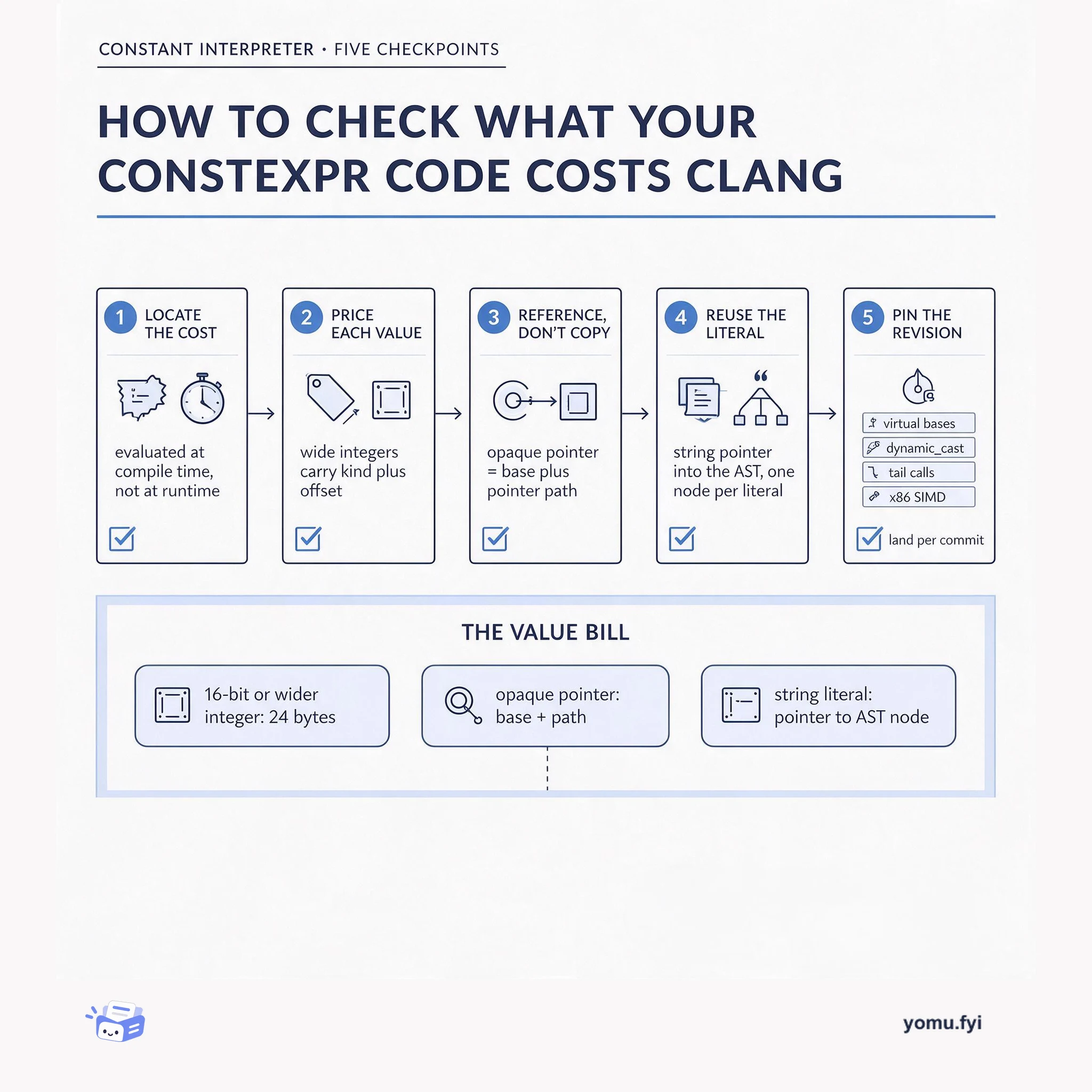
Clang's constant interpreter evaluates constant expressions at compile time, so the bill lands on your build, not your binary. This five-checkpoint guide shows where that memory goes and how to keep it small.
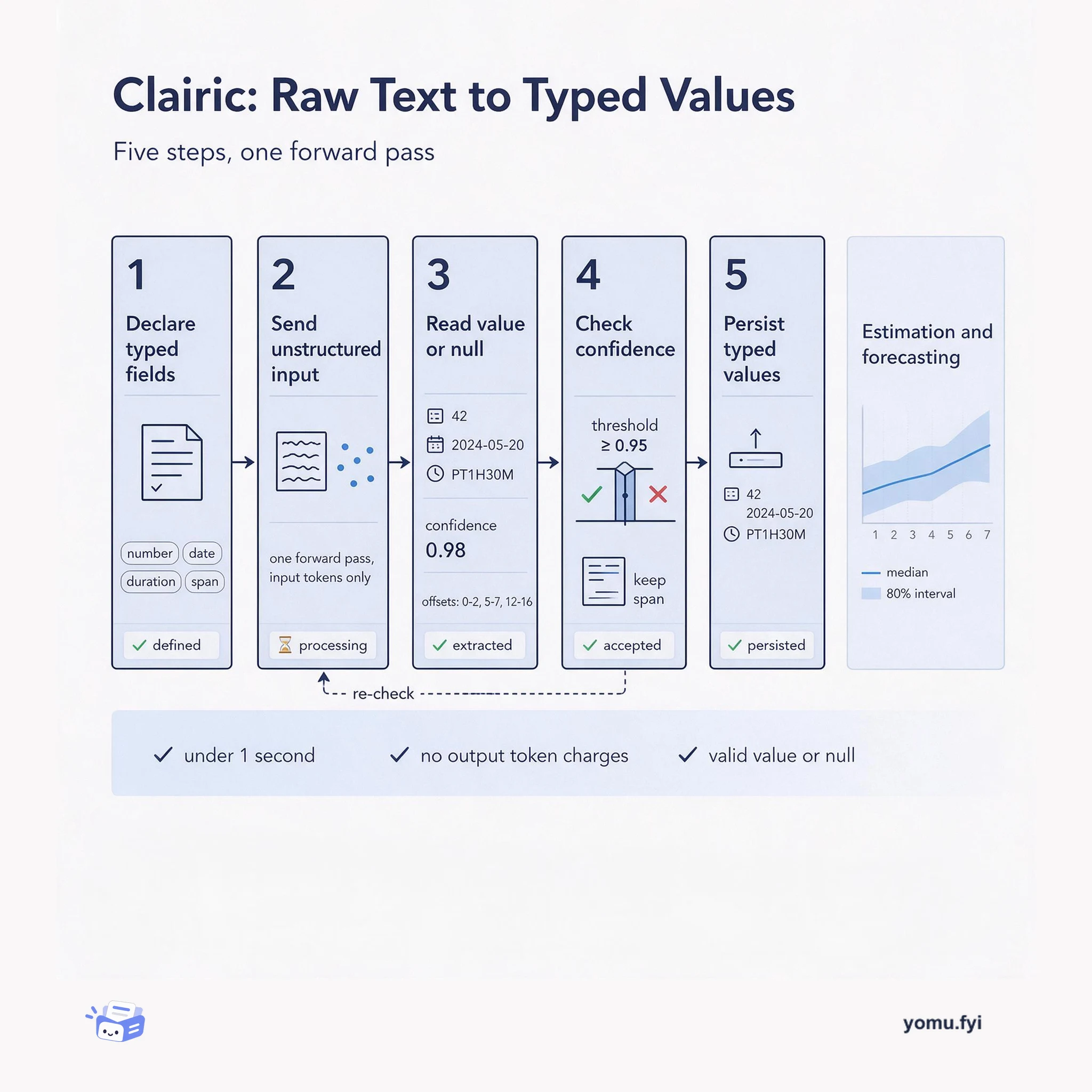
Clairic is a System One extraction model that turns unstructured input into typed values in a single forward pass. This five-step flow shows how to declare fields, call it, and use the results.
The Good Stuff
Paid picks we use ourselves. Links carry a referral code — a subscription through one earns us a commission at no extra cost to you.