Brand: Artifact vs Operating System
Compare two mental models for brand: a static artifact (logos, guidelines, centralized control) and a living operating system (values, APIs, support, trust). See which choices fit your engineering team.
Loading…
Topic
123 posts about Privacy. Every summary links to the original.
See the idea
Compare two mental models for brand: a static artifact (logos, guidelines, centralized control) and a living operating system (values, APIs, support, trust). See which choices fit your engineering team.
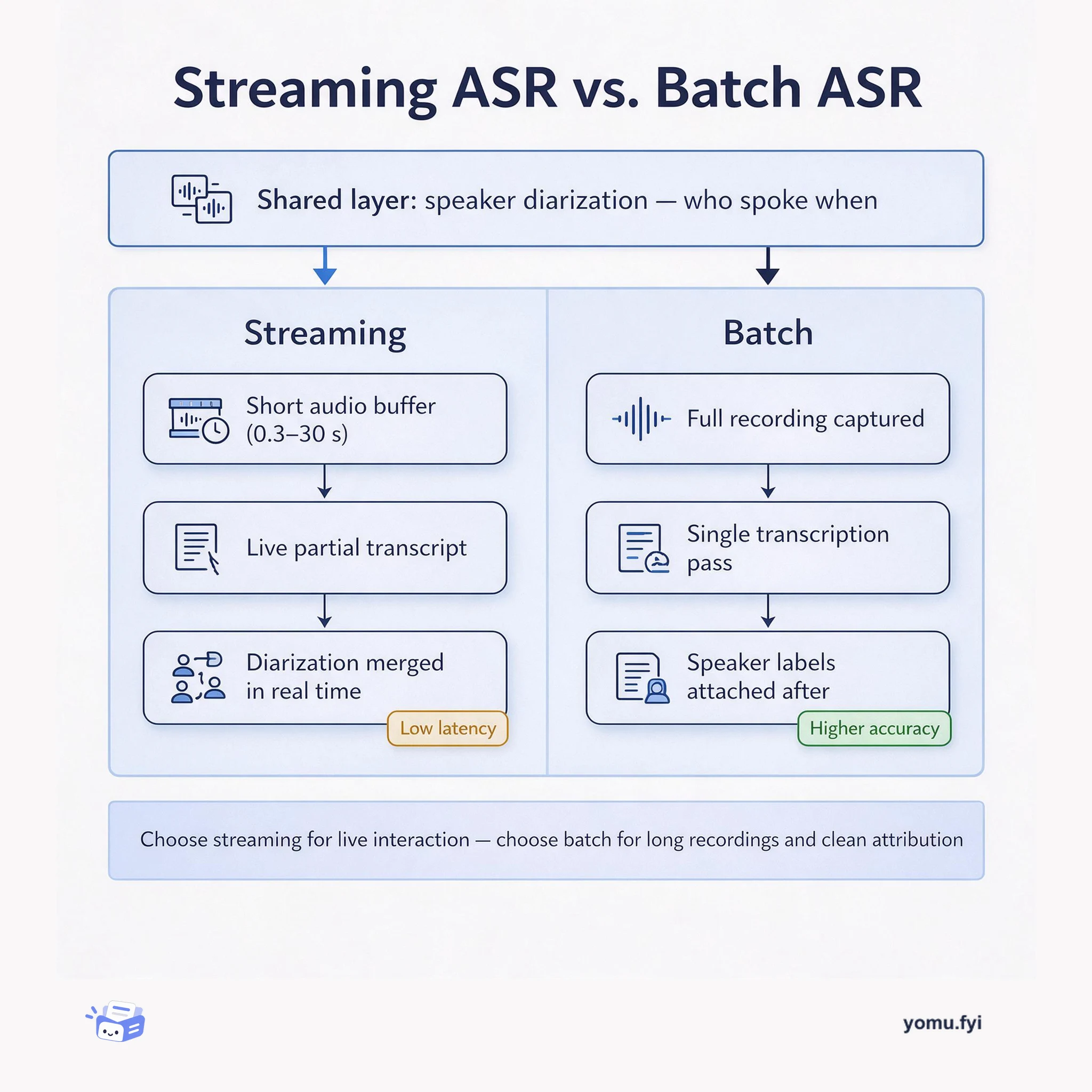
Streaming and batch ASR pipelines compared: how input buffer length, speaker diarization, and where audio is processed trade latency against transcript quality and privacy.
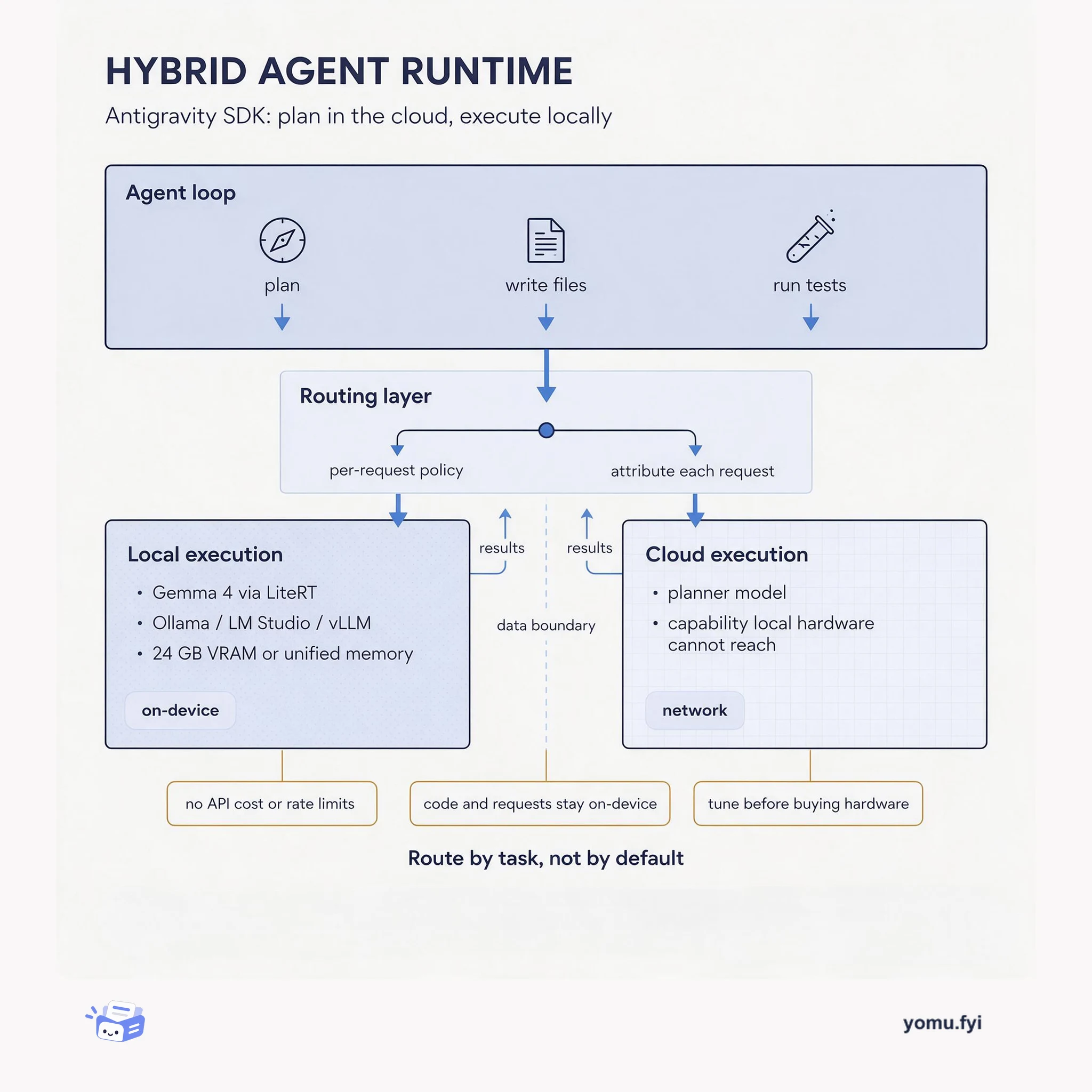
Antigravity SDK's hybrid architecture separates planning from execution: a cloud model plans, local models run most tokens on-device. See how routing, execution, and the data boundary fit together.
The Good Stuff
Paid picks we use ourselves. Links carry a referral code — a subscription through one earns us a commission at no extra cost to you.
Newest first
Chrome's SameSite changes alter when third-party cookies are sent in cross-site requests, affecting sites that rely on embedded services, analytics, advertising, or other cross-domain functionality. Starting February 4, 2020, Chrome was to reject such cookies unless they were secured and assigned an appropriate SameSite value, as part of a secure-by-default model intended to reduce CSRF attacks, other vulnerabilities, and privacy leaks. The post explains first- versus third-party cookies, contrasts Strict, Lax, and None, and gives scenarios for selecting each setting; SameSite=None must be paired with Secure and HTTPS. It also recommends enabling Chrome 80 flags to test for errors, then updating application cookies or coordinating with third-party providers. Server-side support is noted for PHP, NodeJS, Python, Flask, and Ruby on Rails, with direct JavaScript cookie handling also mentioned.
Grab addressed passenger navigation challenges at large Southeast Asian venues such as airports and shopping centers. Satellite signals weaken through concrete and steel, creating GPS inaccuracies that caused the rendezvous distance between passengers and drivers at large venues to exceed twice the average. While introducing Entrances previously mapped over 120,000 green dots to lower rendezvous distances, passengers still struggled to locate specific pickup spots indoors. The company launched Venues, an in-app feature delivering turn-by-turn text and photo directions to designated pickup points. To support this system, operations teams surveyed sites with cameras and scanners to capture landmarks, after which in-house teams masked faces and vehicle license plates.
Grab has officially launched a public bug bounty program in partnership with HackerOne to strengthen the security of its platform. This rollout follows a private bounty initiative operated over the previous year, during which the organization worked with over 350 security researchers and resolved nearly 200 awarded bug reports. The new public program invites external researchers to scrutinize Grab's code for critical flaws, including remote code execution, SQL injections, and exportable cross-site scripting vulnerabilities. To support ethical and responsible disclosure, Grab offers payouts reaching up to $10,000 per valid vulnerability report based on severity and impact.
The best engineering reads, once a week.