Streaming ASR vs. Batch ASR: The Buffer-Latency Trade-off
Streaming and batch ASR pipelines compared: how input buffer length, speaker diarization, and where audio is processed trade latency against transcript quality and privacy.
Automatic speech recognition turns audio into text, but the shape of the pipeline changes what you get back. A streaming path feeds short audio buffers to the recognizer so partial transcripts arrive in near real time, while a batch path waits for the full recording before transcribing it in one pass. Speaker diarization adds who-spoke-when labels that must be merged with ASR timestamps to produce speaker-attributed transcripts, and the same workload can run in a cloud service or inside a confidential environment. The comparison helps an engineer choose a path from a latency budget, accuracy need, and privacy constraint instead of defaulting to one architecture.
FAQ
Does a diarization model replace my ASR system?
No. Diarization classifies who spoke when and outputs speaker-activity probabilities at a configurable time step, but it does not produce words. You combine its timestamps with the output of an automatic speech recognition model to build speaker-attributed transcripts. That merge step is where the two columns of the pipeline actually meet.
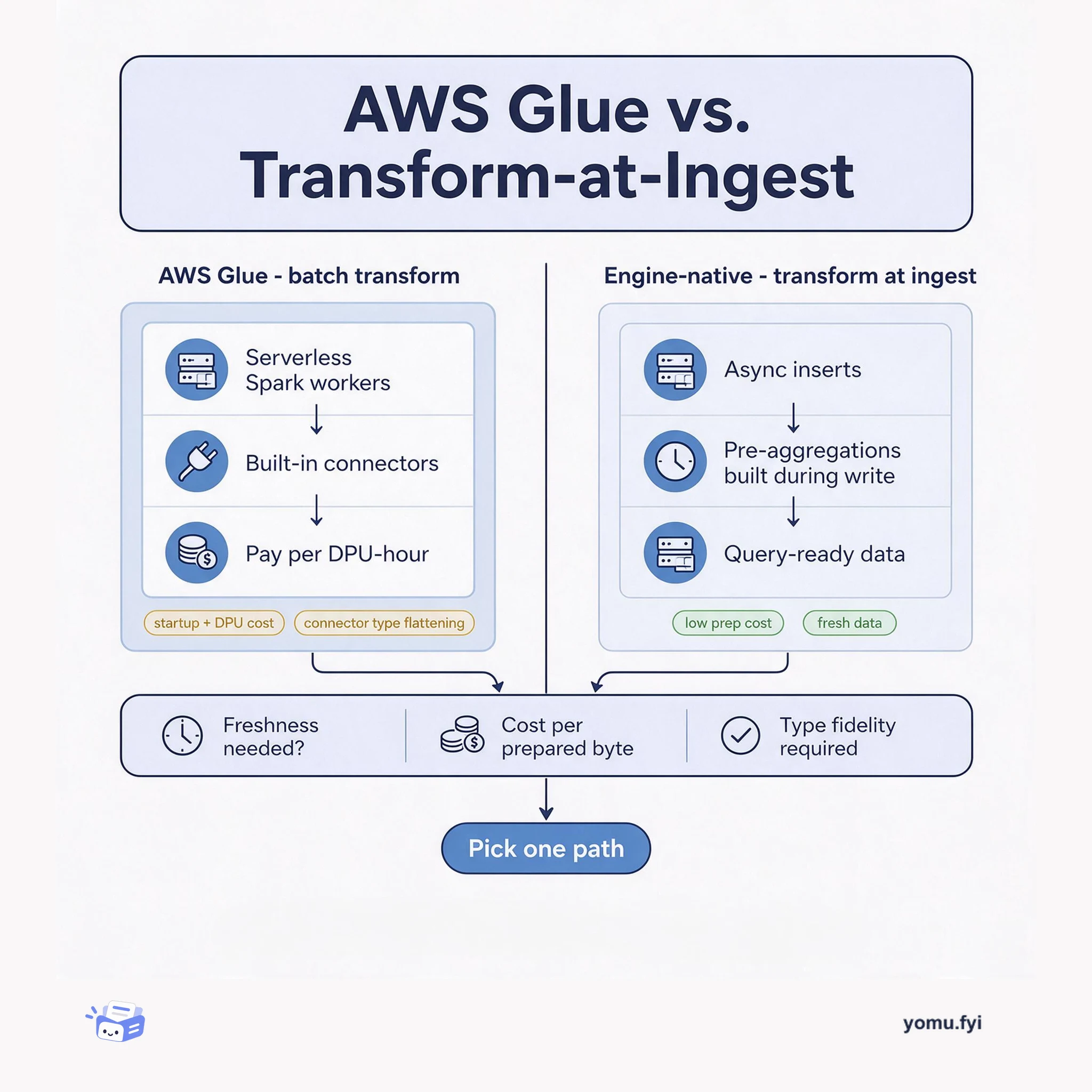
AWS Glue runs serverless Spark jobs that transform data in batches; engine-native pipelines transform during ingestion. This comparison shows how to pick between them by freshness, cost, and data fidelity.
Compare two mental models for brand: a static artifact (logos, guidelines, centralized control) and a living operating system (values, APIs, support, trust). See which choices fit your engineering team.
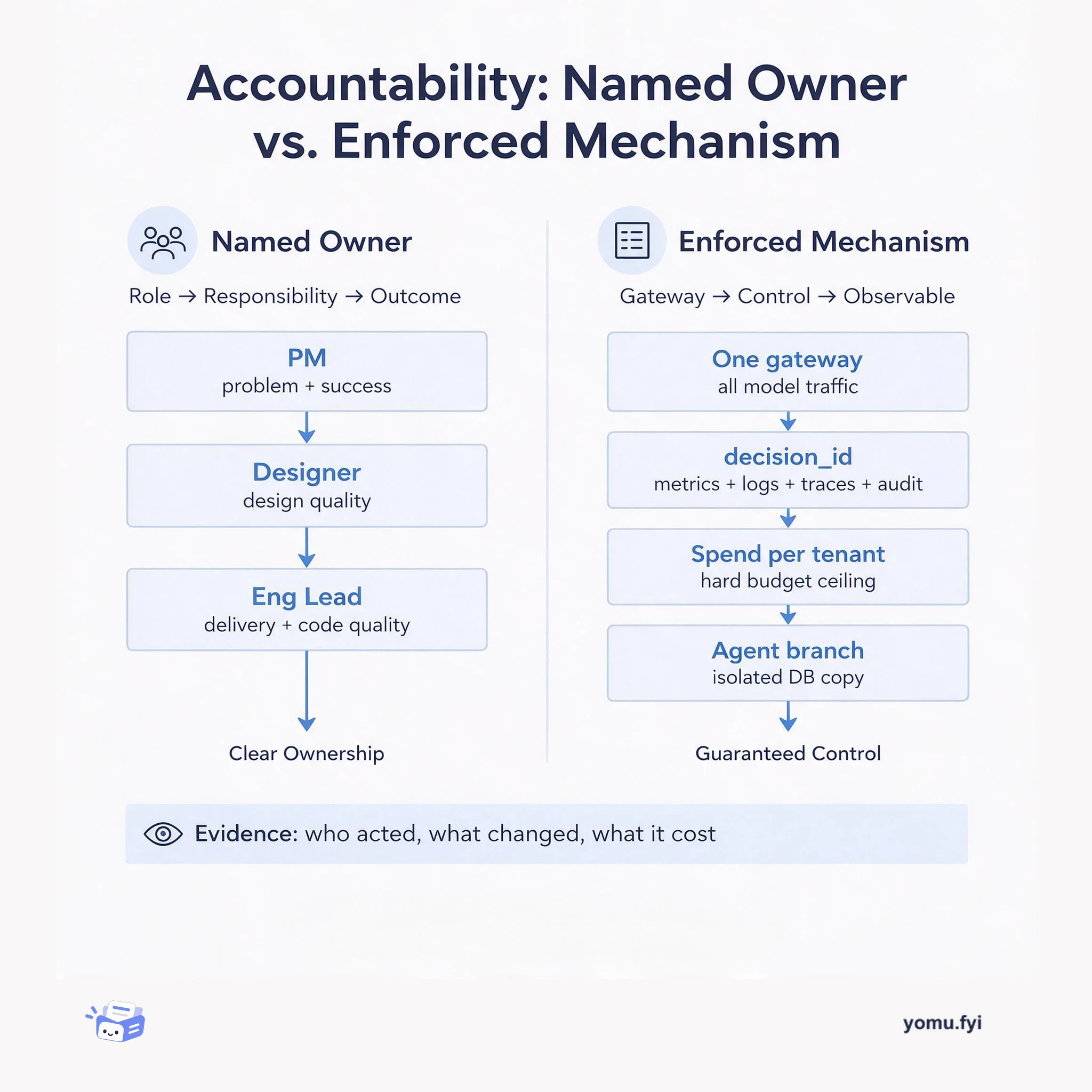
A side-by-side comparison of the two accountability models engineers actually rely on: a named human owner per outcome, and system-enforced traces, budgets, and isolation.
The Good Stuff
Paid picks we use ourselves. Links carry a referral code — a subscription through one earns us a commission at no extra cost to you.