Compare Brandwatch's AI speed features—Ask Iris, Query Writer, and AI summaries—with the governed checks that make social insights trustworthy before teams act.
Brandwatch's AI updates speed up social listening: Query Writer and Query Fixer help build research queries, Ask Iris summarizes topics, and alerts can carry AI-generated summaries. But speed alone can create trust debt when metric definitions, provenance, and unresolved conversations are hidden. This comparison separates the fast assistance layer from the trust layer: source-aware verification, tiered human review, outcome-based customer metrics, and governed model rollouts. Use the fast layer for discovery and triage, then route high-impact decisions through the trust layer.
FAQ
When should I trust Brandwatch AI summaries without a manual review?
Use them for discovery and triage, not final decisions. AI summaries can speed up finding issues, but high-impact actions need source attribution and human checkpoints because AI can conflate sources or hide unresolved cases.
What metrics expose whether AI-assisted social listening actually works?
Track abandonment by conversation stage, resolution across sessions, repeat contact within seven days, containment split by outcome, and escalation quality. Brand-side satisfaction surveys can overstate success; Twilio found 86% of brands thought AI worked while only 51% of customers agreed.
How do governance and budgets fit into Brandwatch-style AI workflows?
Governance controls cost and risk while AI features are experimental. Databricks uses per-user budgets and promotion gates after trial; similar patterns apply to social listening: set limits, verify sources, review high-impact outputs, and keep a repair path before scaling.
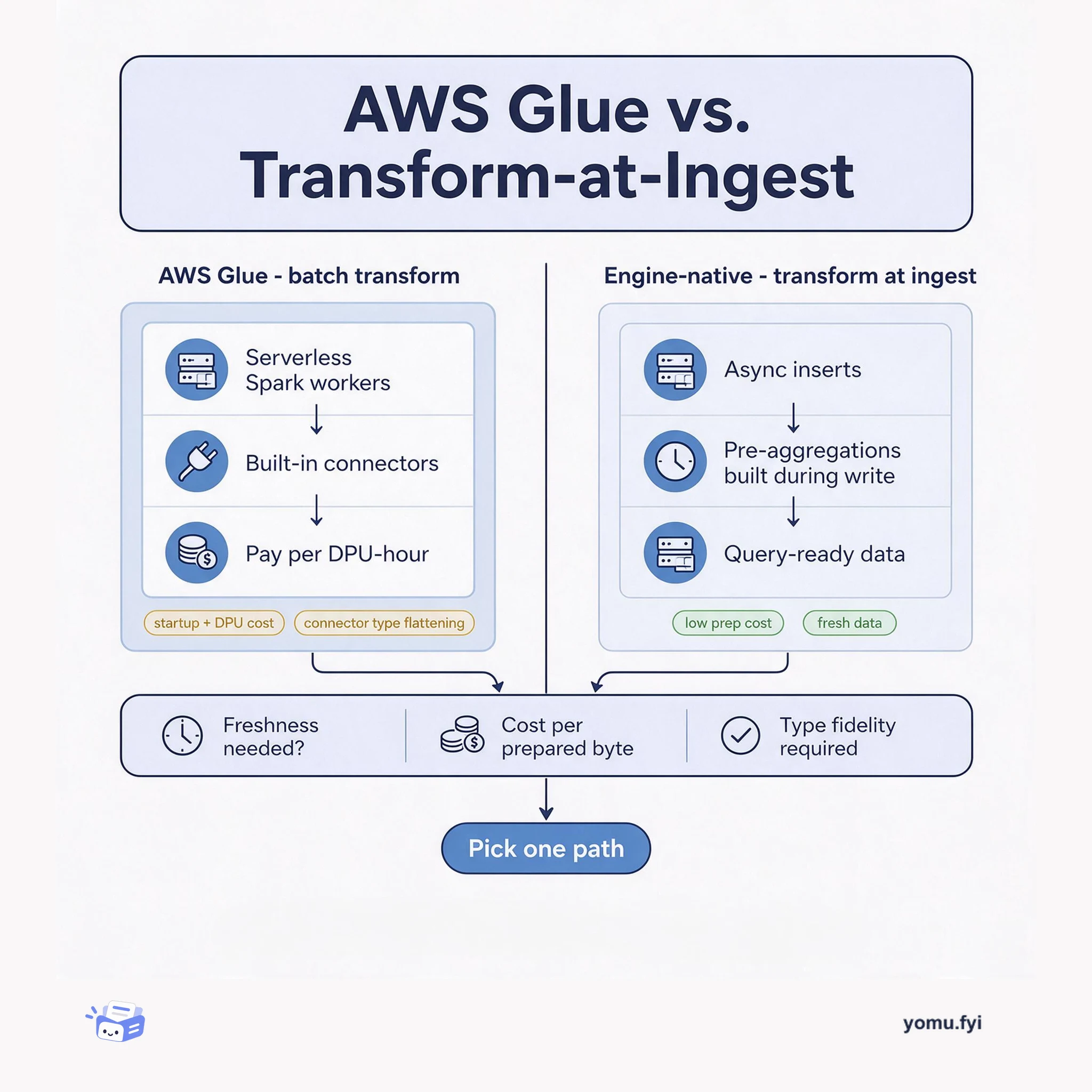
AWS Glue runs serverless Spark jobs that transform data in batches; engine-native pipelines transform during ingestion. This comparison shows how to pick between them by freshness, cost, and data fidelity.
Compare two mental models for brand: a static artifact (logos, guidelines, centralized control) and a living operating system (values, APIs, support, trust). See which choices fit your engineering team.
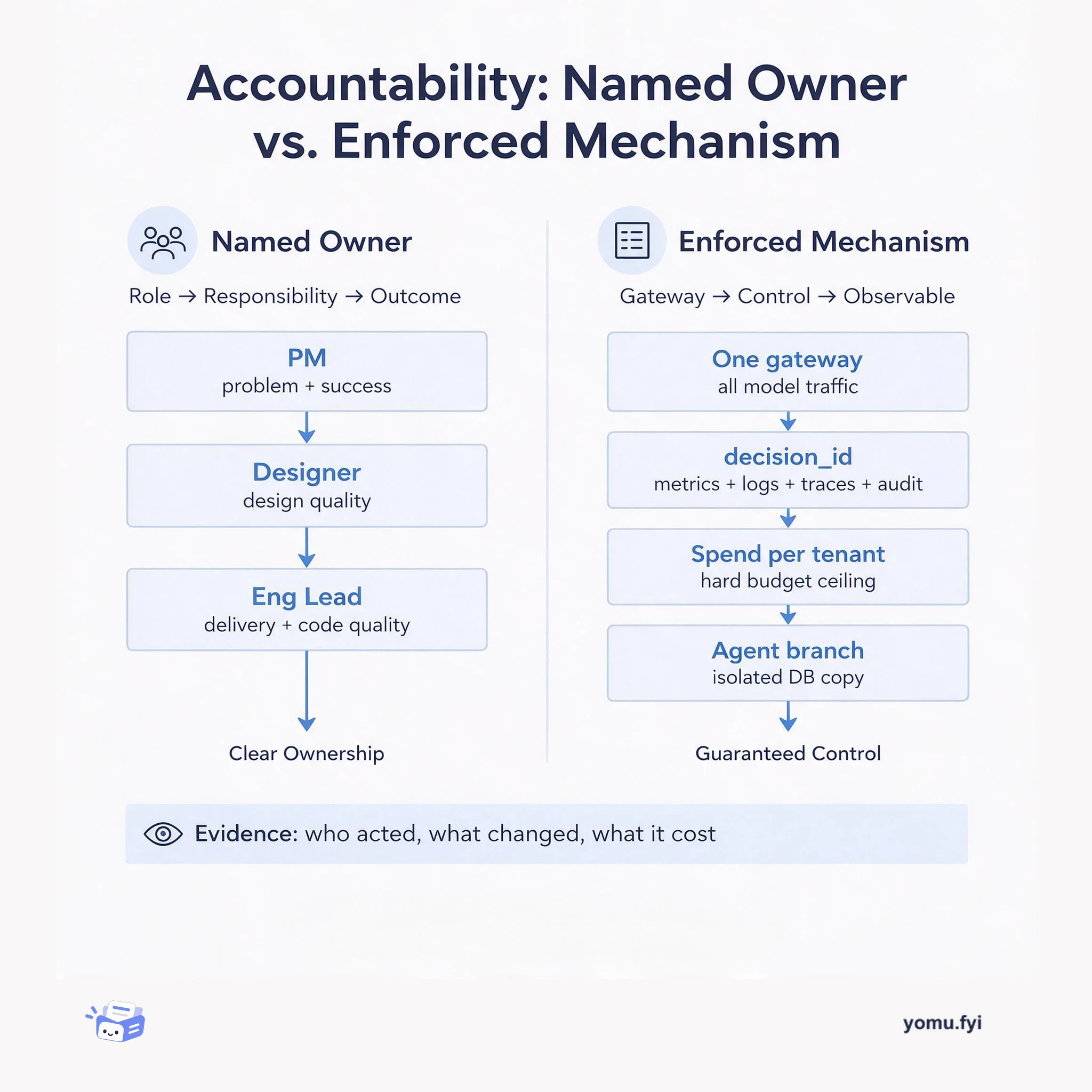
A side-by-side comparison of the two accountability models engineers actually rely on: a named human owner per outcome, and system-enforced traces, budgets, and isolation.
The Good Stuff
Paid picks we use ourselves. Links carry a referral code — a subscription through one earns us a commission at no extra cost to you.