Backdoor Defense Is a Trade-off, Not a Scanner
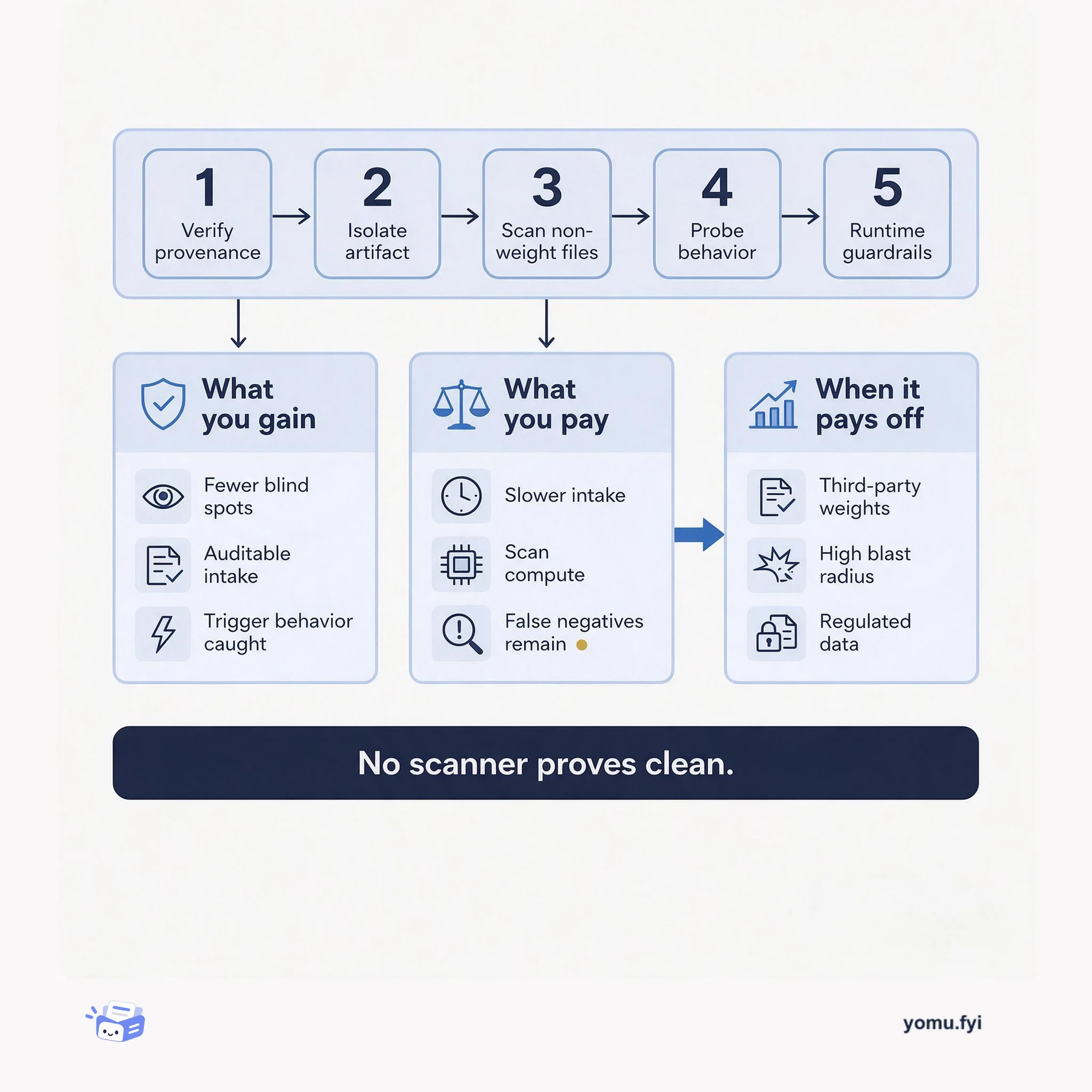
A model that passes benchmarks can still defect only on a trigger. This explainer maps the trade-off between deeper backdoor verification and the friction, latency, and cost it adds.
Loading…
Visual explainers
Visual introductions to the engineering concepts behind the tools we use.
A model that passes benchmarks can still defect only on a trigger. This explainer maps the trade-off between deeper backdoor verification and the friction, latency, and cost it adds.
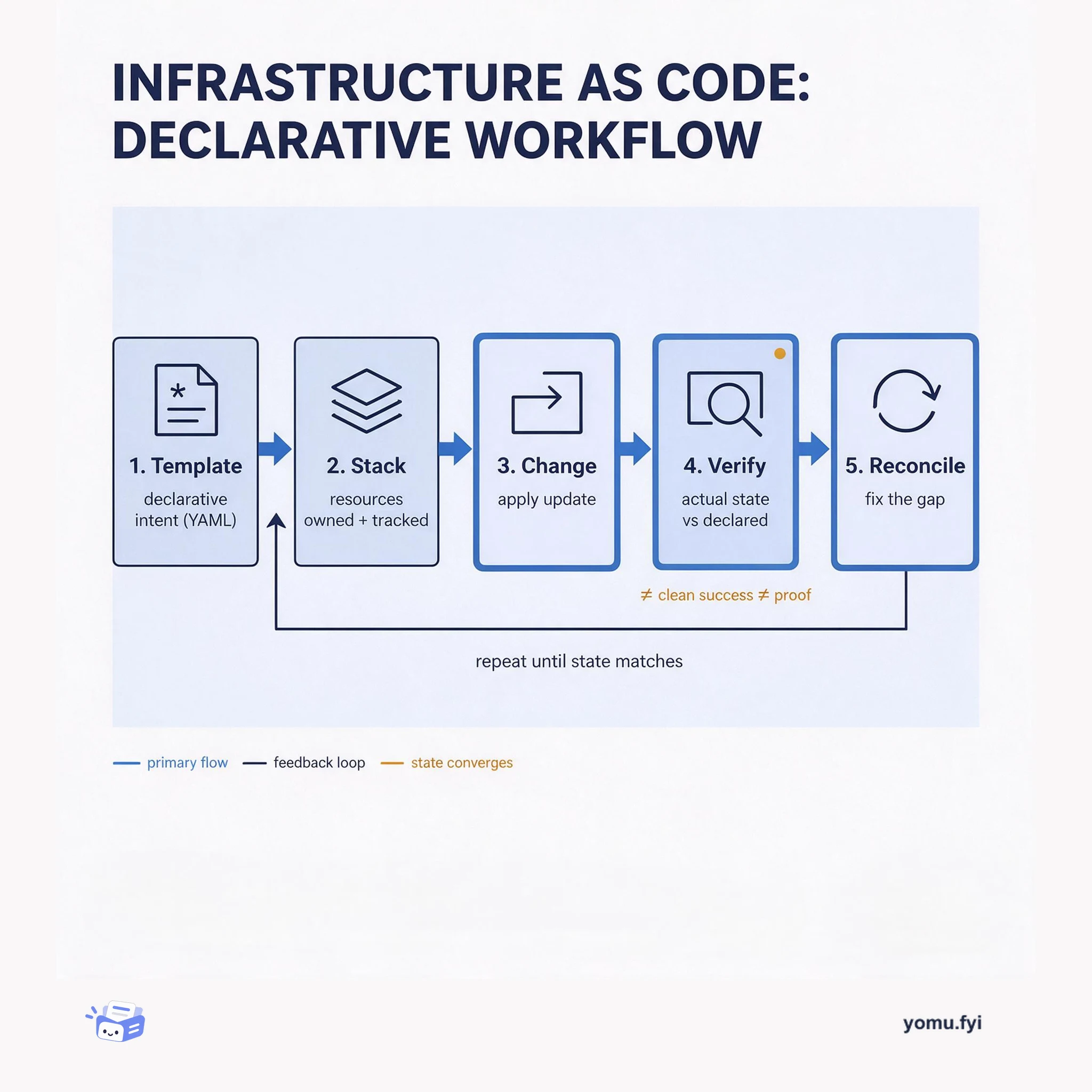
CloudFormation is a declarative reconciler: you describe the target state in a template, and it provisions, updates, and reports on the stack that results. Here is the loop.
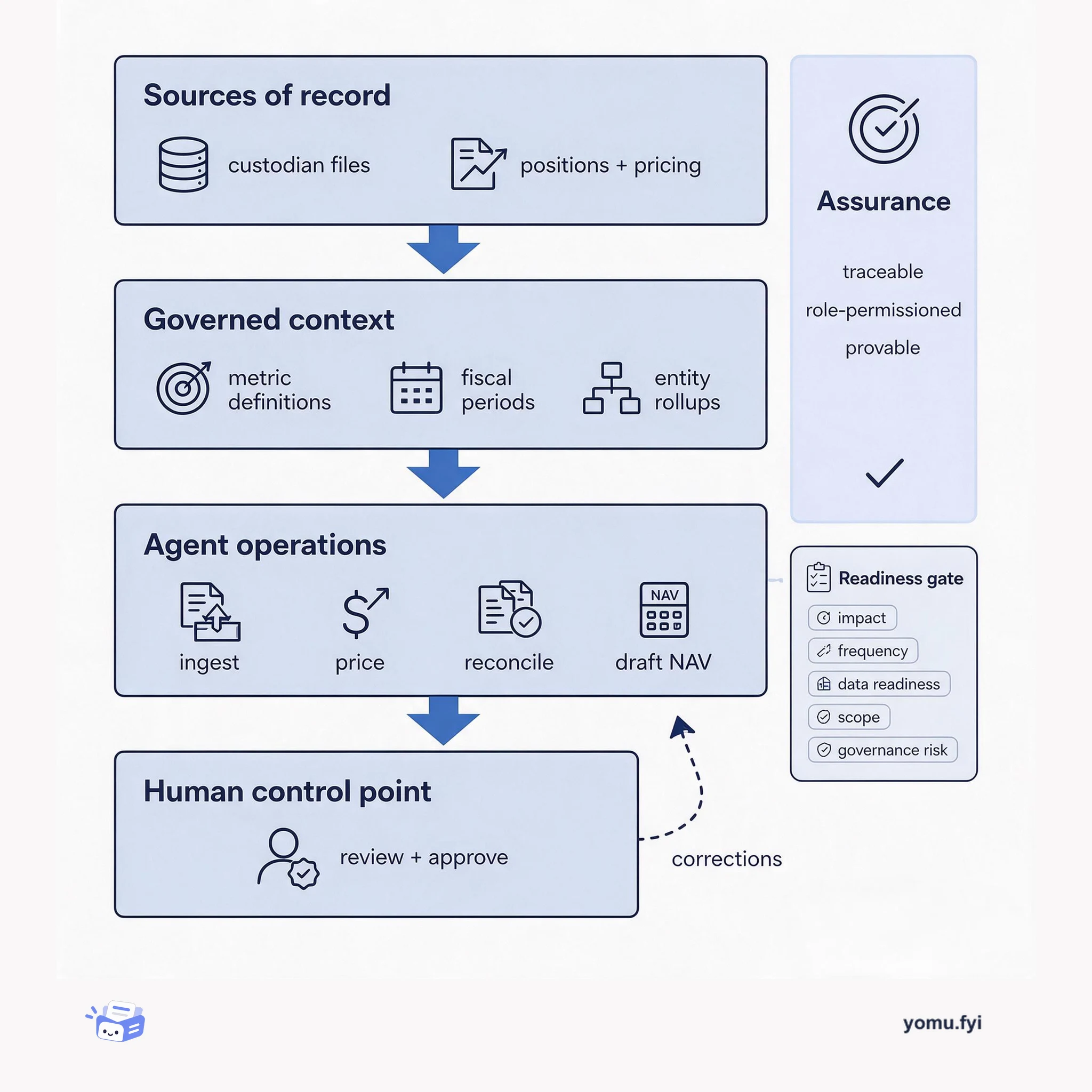
Asset management runs as a layered control plane: custodian and pricing data feed a governed context layer, agents run the overnight fund work, and a human signs off before anything is published.
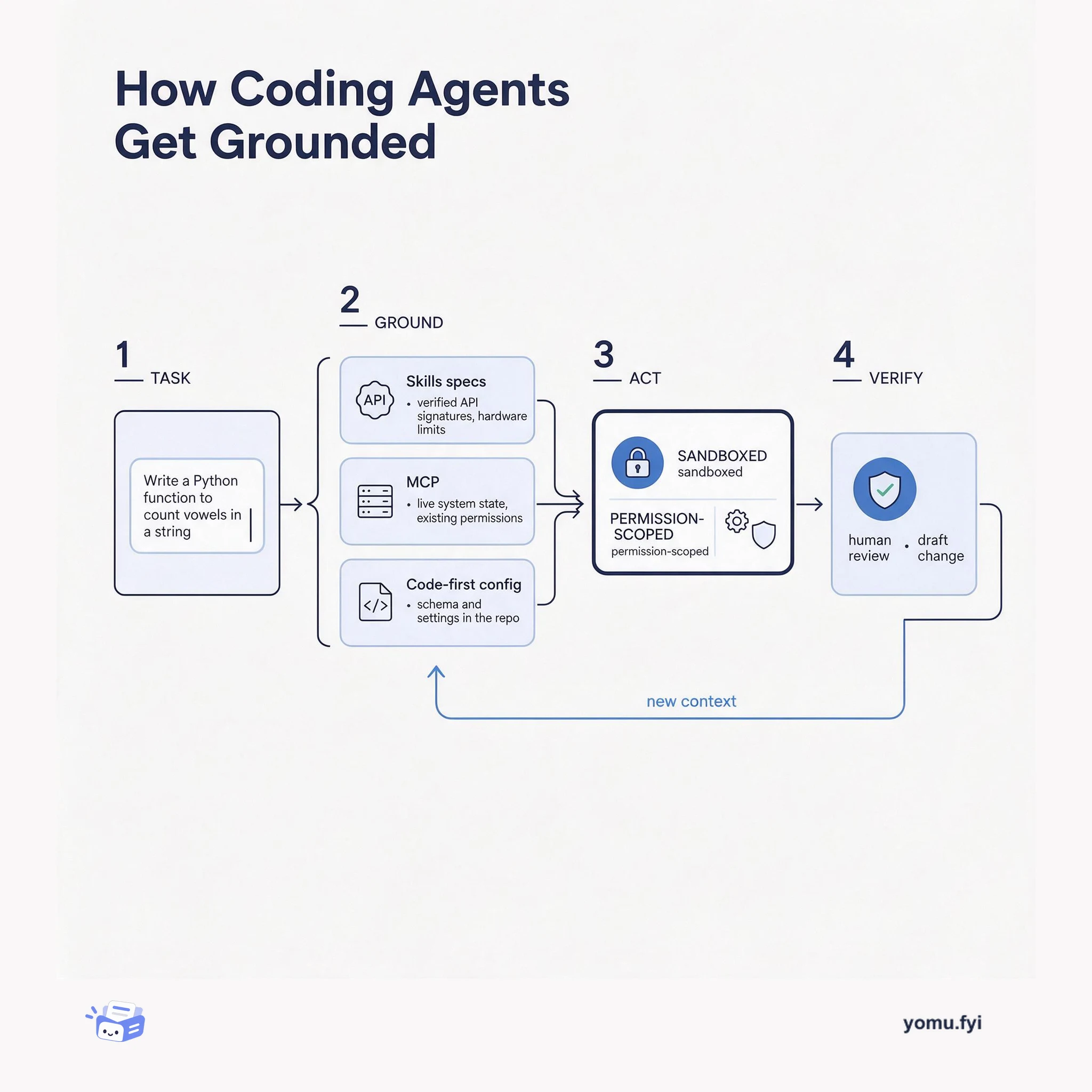
A four-stage flow showing how a coding agent moves from a task to a reviewed change by grounding on verified skills, live system state, and code-first config before it acts.
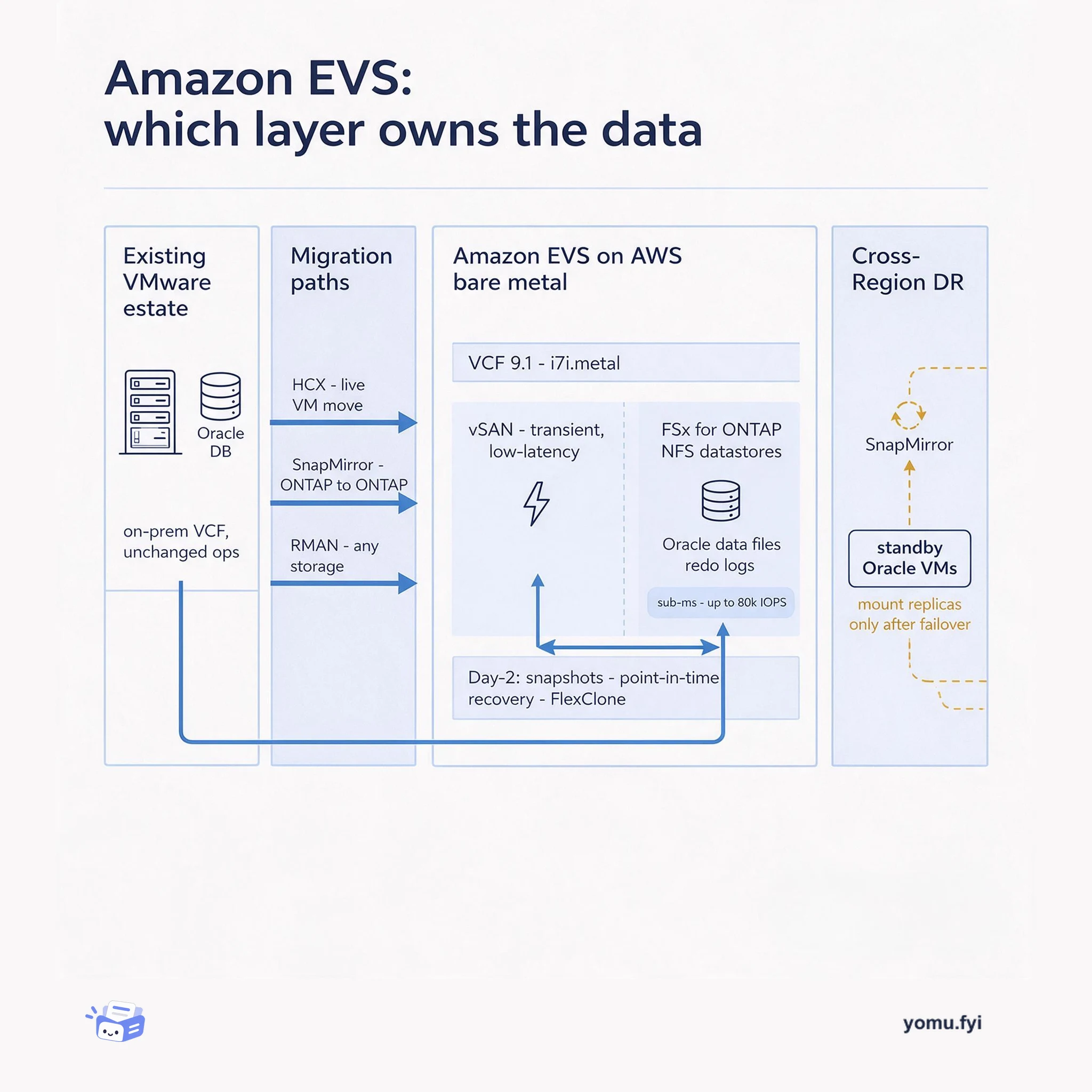
Amazon EVS runs VMware Cloud Foundation on AWS bare metal, so the design question becomes where each workload's data lives. This layered diagram shows how vSAN, FSx for ONTAP, and cross-Region DR divide the work.
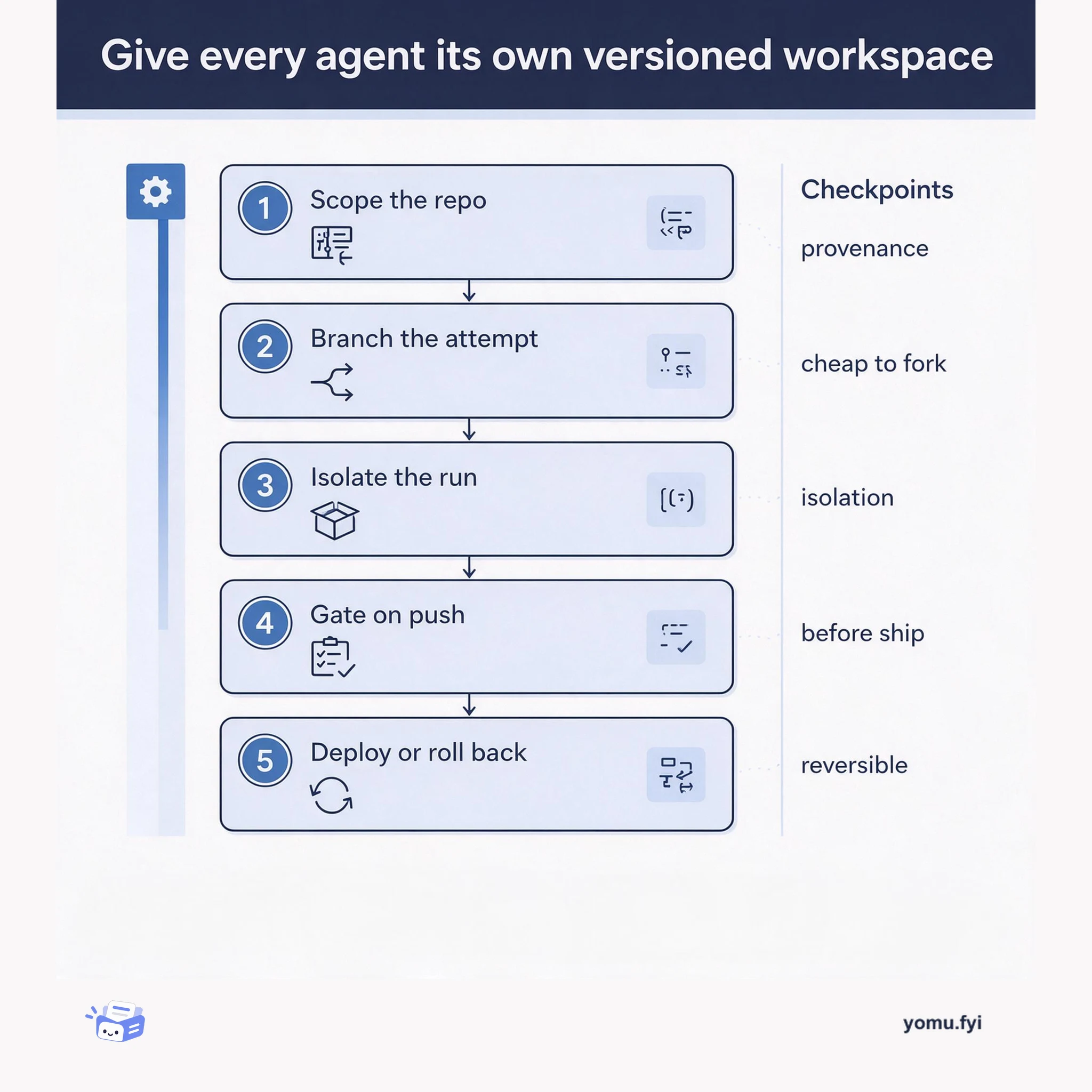
A five-step workflow for turning agent output into versioned artifacts: scope a repo per agent, branch instead of copying, run in an isolated sandbox, gate changes with push-triggered evals, then deploy or roll back.
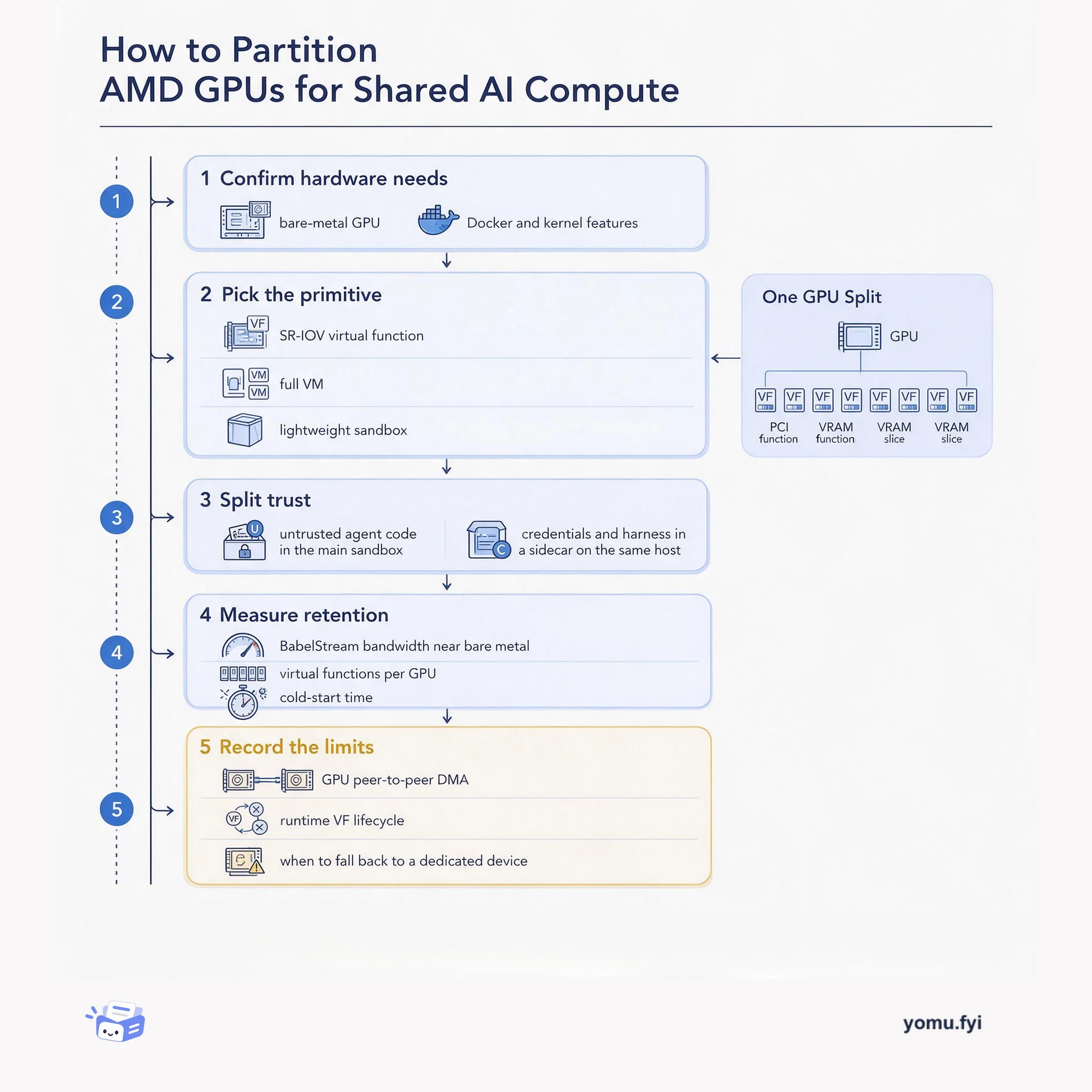
A five-step how-to for deciding when an AMD Instinct GPU should stay dedicated and when SR-IOV virtual functions, VMs, or sidecar isolation can safely share it.
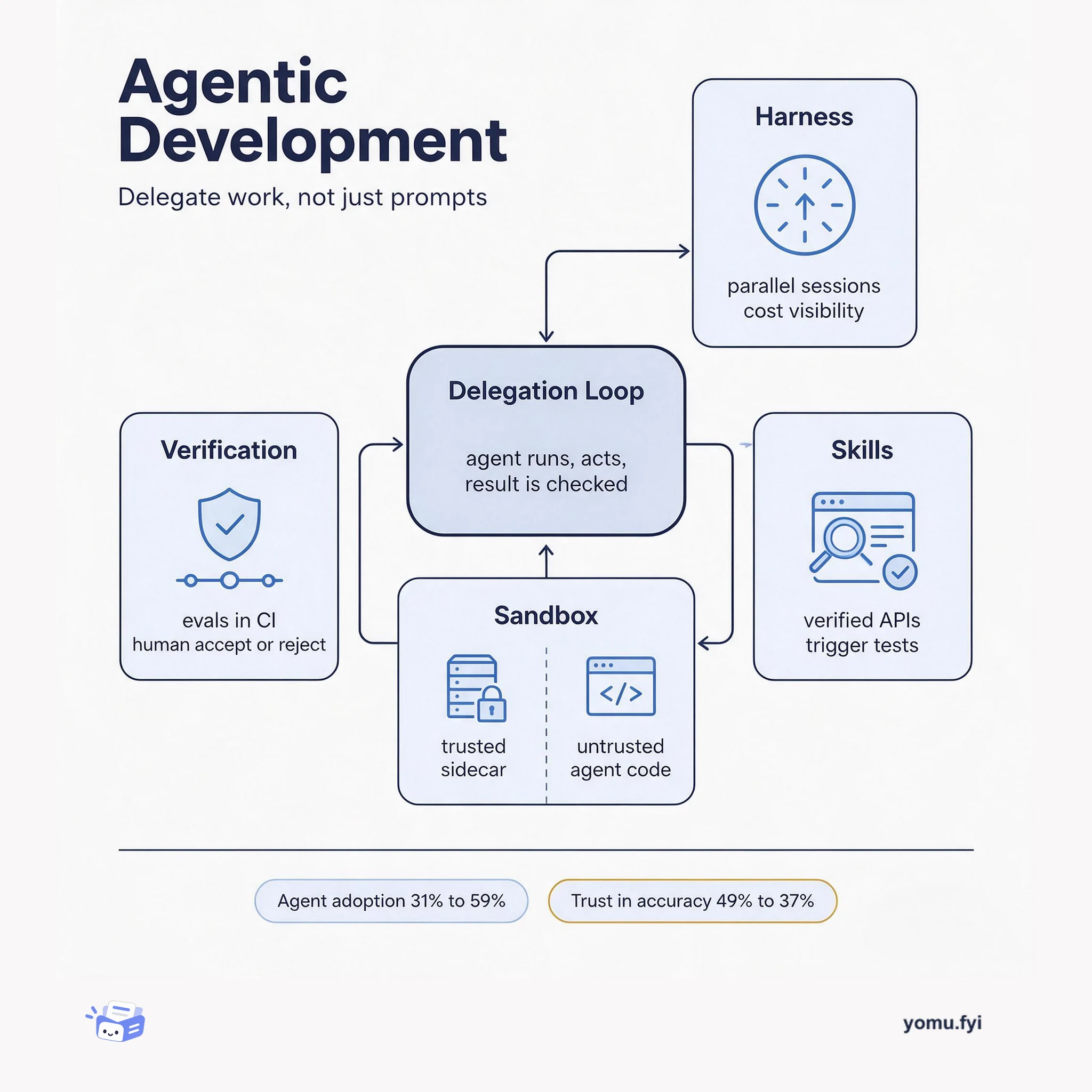
Agentic development turns AI assistance into delegated work: a harness runs the agents, skills supply domain knowledge, a sandbox bounds execution, and evals verify the result.
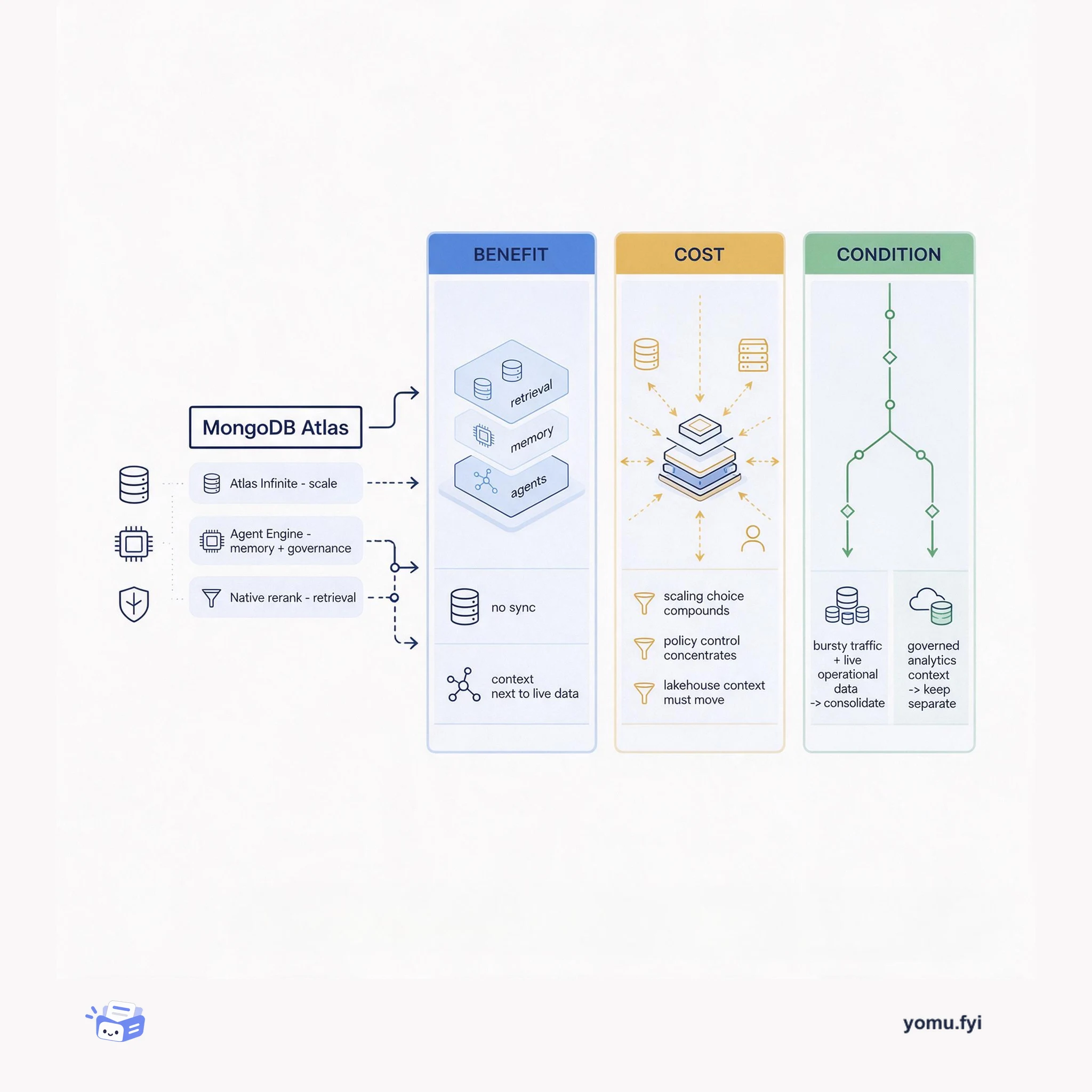
Consolidating agent memory, retrieval, and governance onto MongoDB Atlas removes sync and vendor layers, but ties scaling and control to one platform. This trade-off view shows the payoff, the cost, and the condition that decides it.
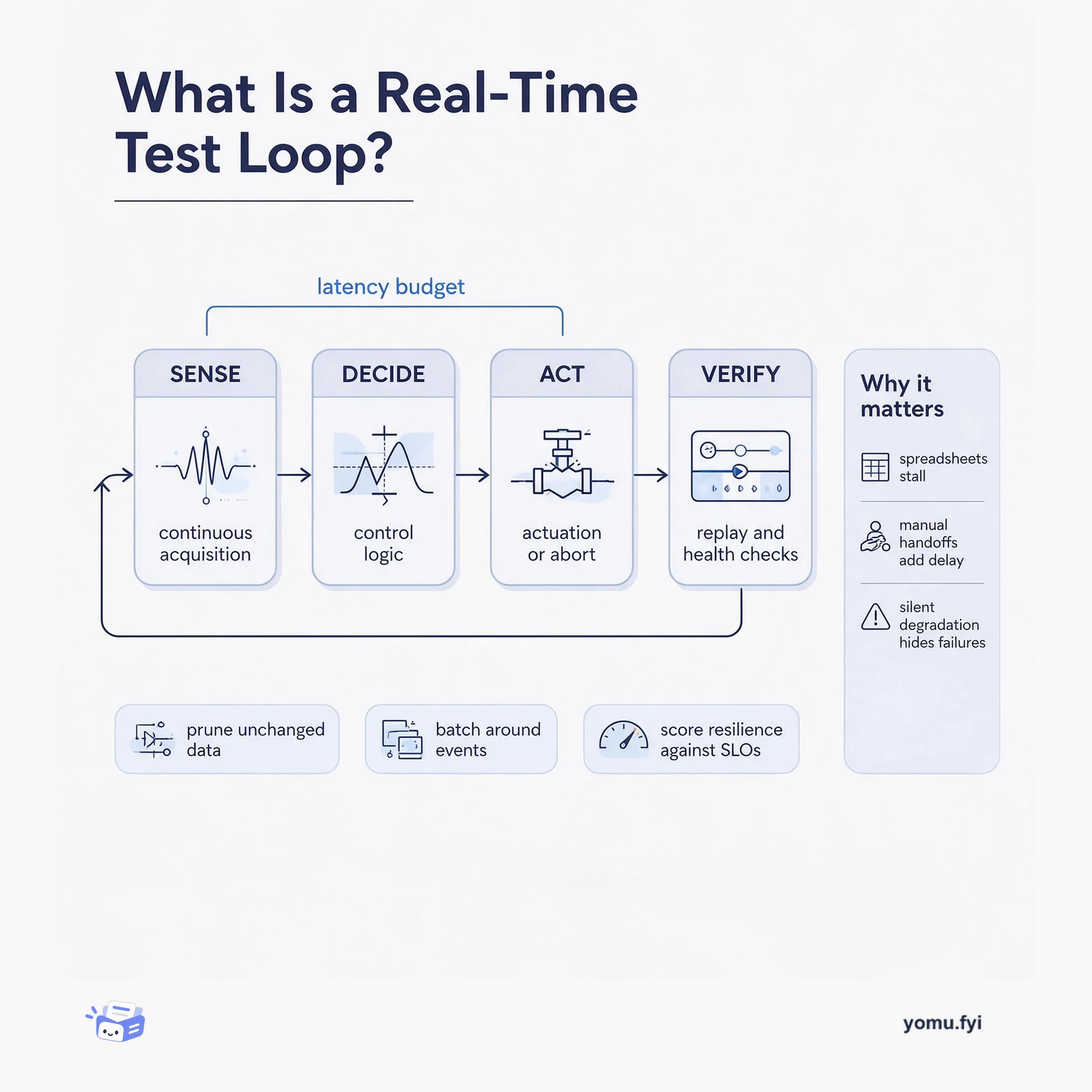
A real-time test loop is the closed path from sensor acquisition to control action and back to verification. This explainer maps its four parts and the latency budget that binds them.
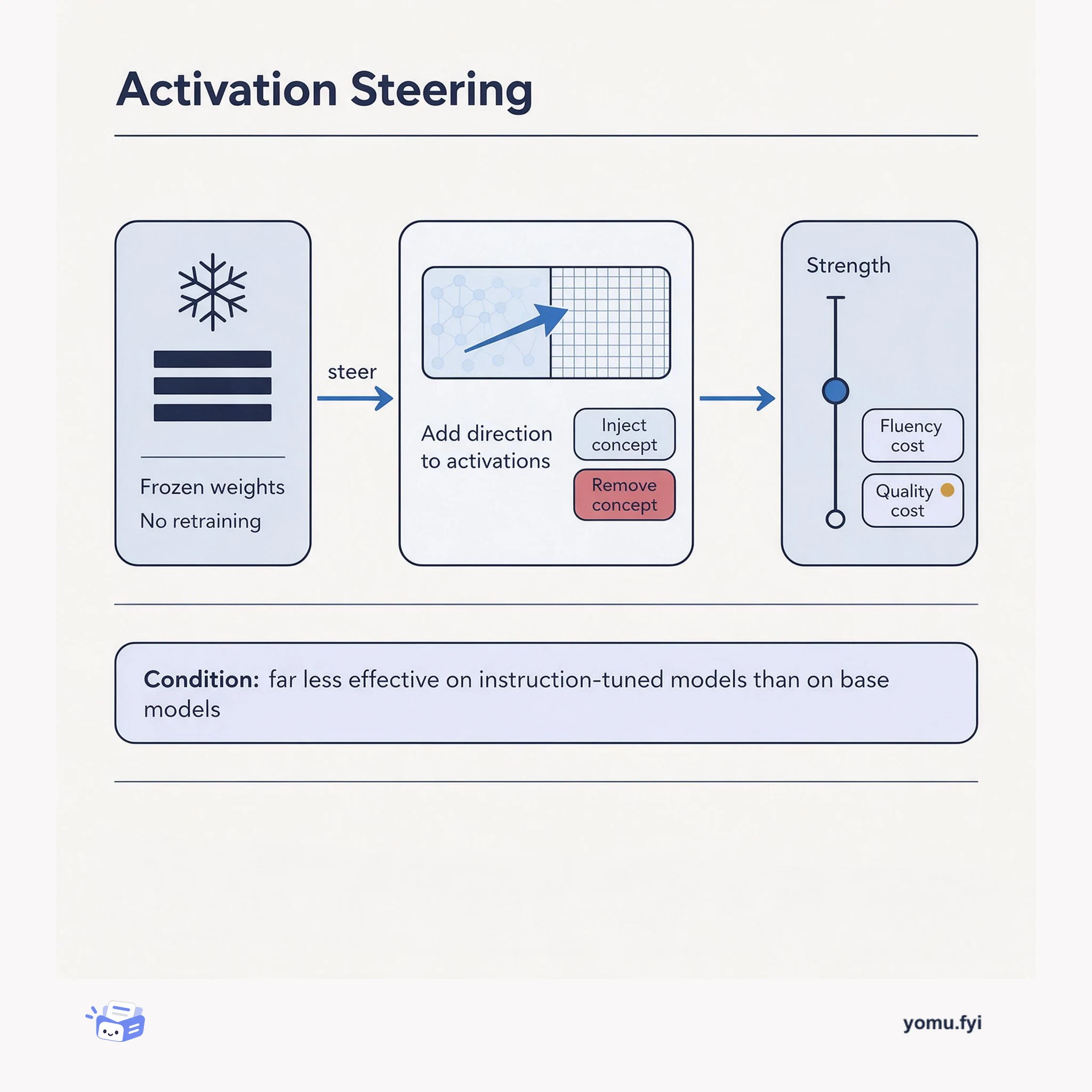
Activation steering edits a model's internal activations to add or remove a concept at inference time. This explainer maps its one control knob, its two costs, and when it beats prompting.
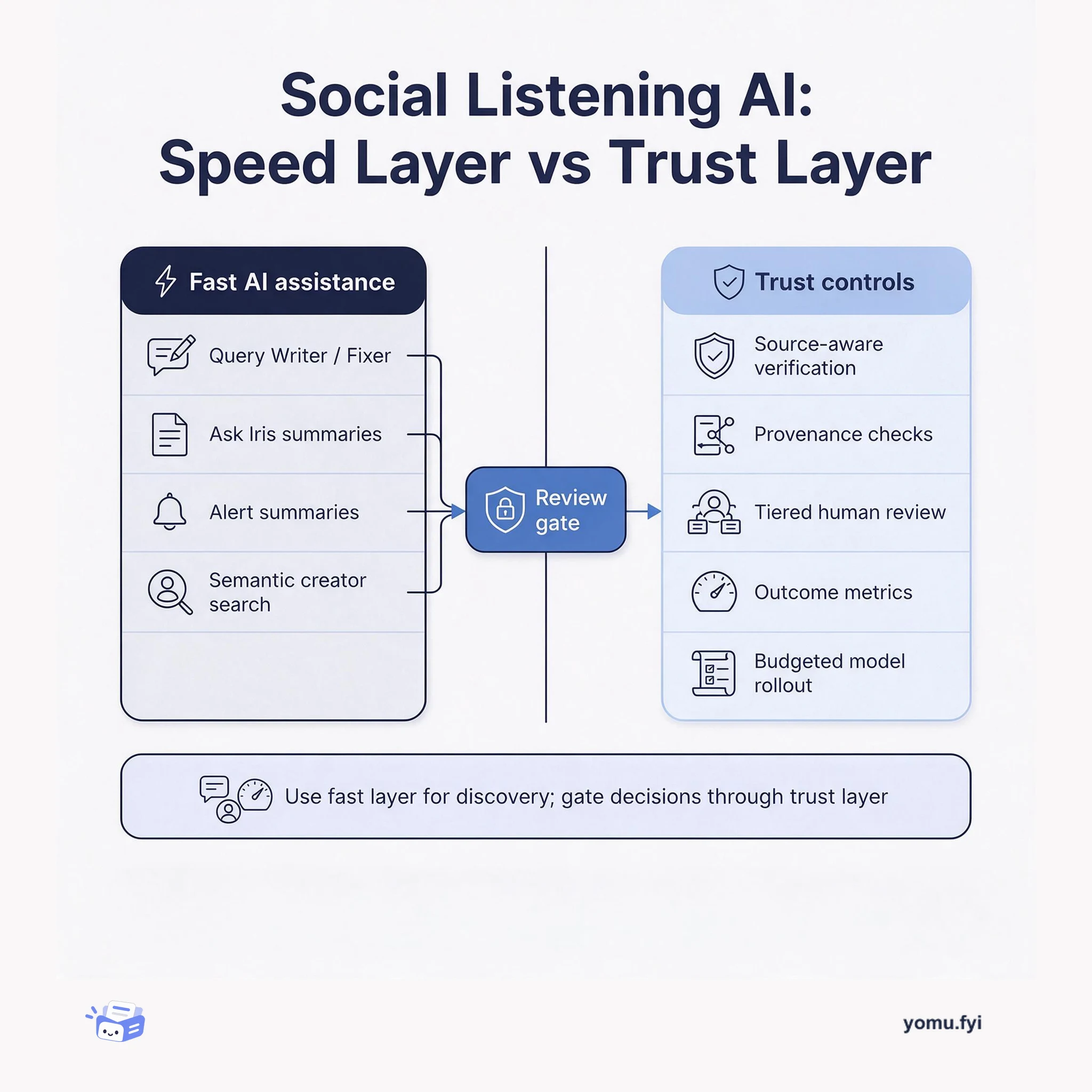
Compare Brandwatch's AI speed features—Ask Iris, Query Writer, and AI summaries—with the governed checks that make social insights trustworthy before teams act.
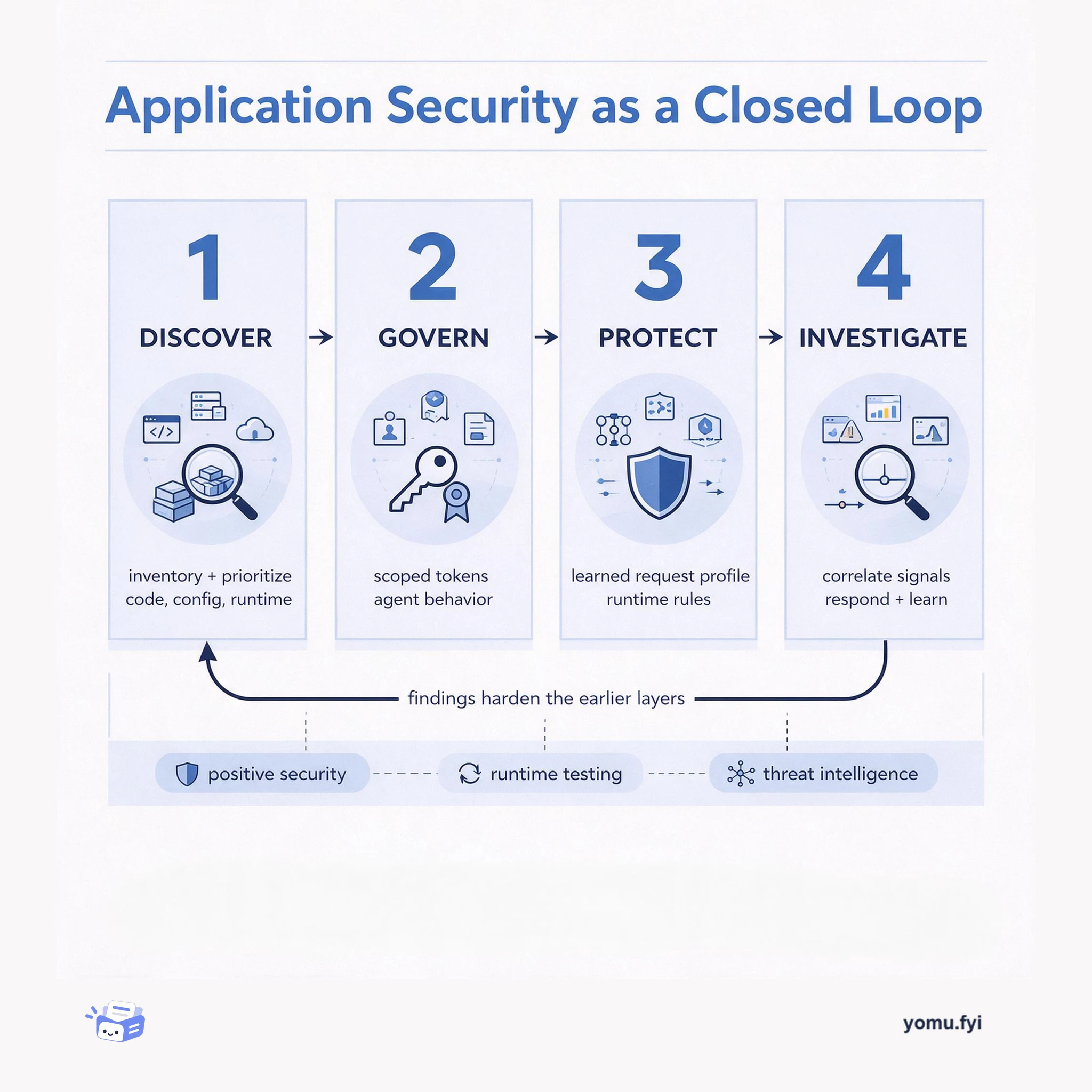
Application security is a closed loop: discover and prioritize risk, govern access and agent behavior, protect at runtime, then investigate and feed findings back into the next cycle.
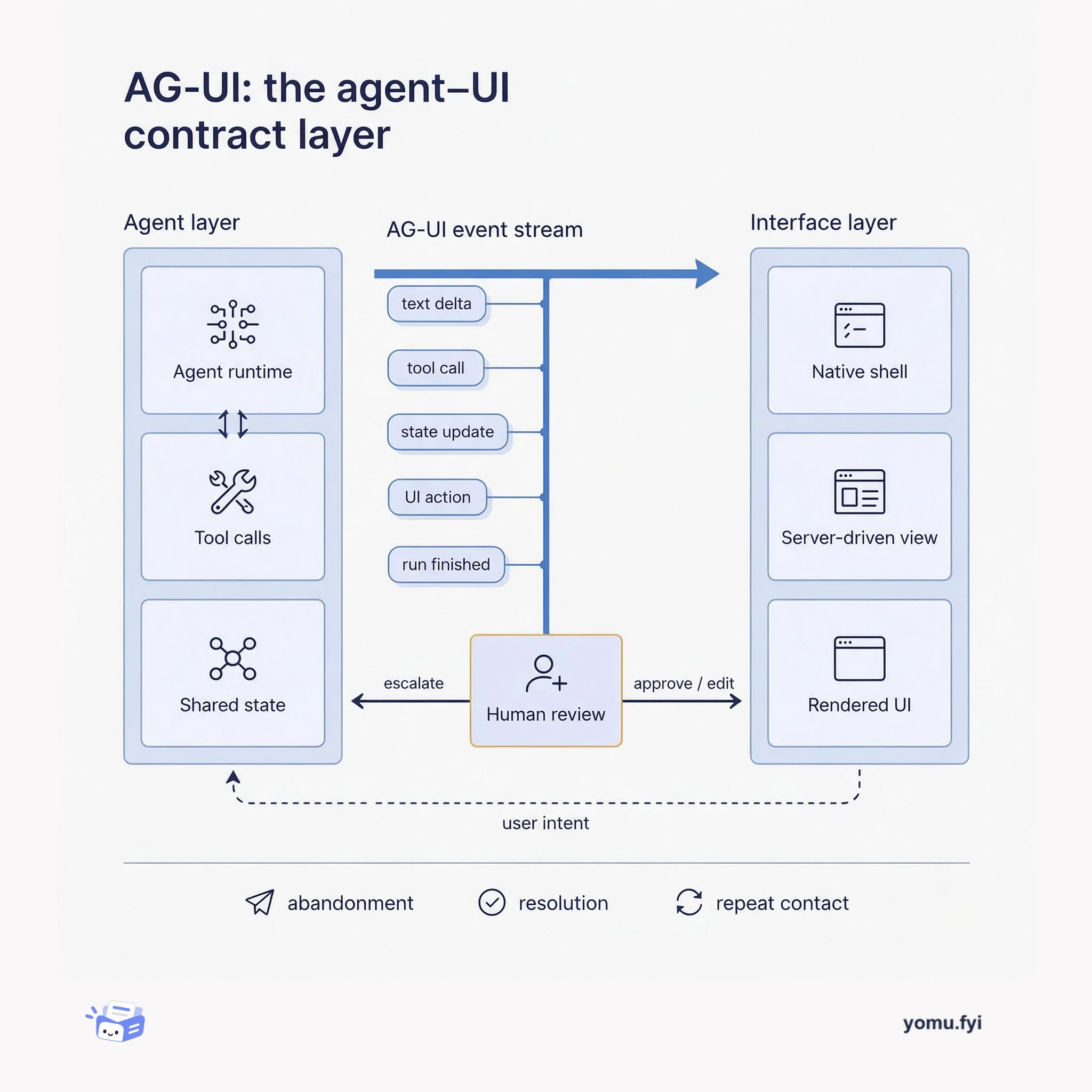
AG-UI is a typed event contract between an agent backend and a frontend, turning streamed agent state into UI. This diagram maps the layers and shows where human review plugs in.
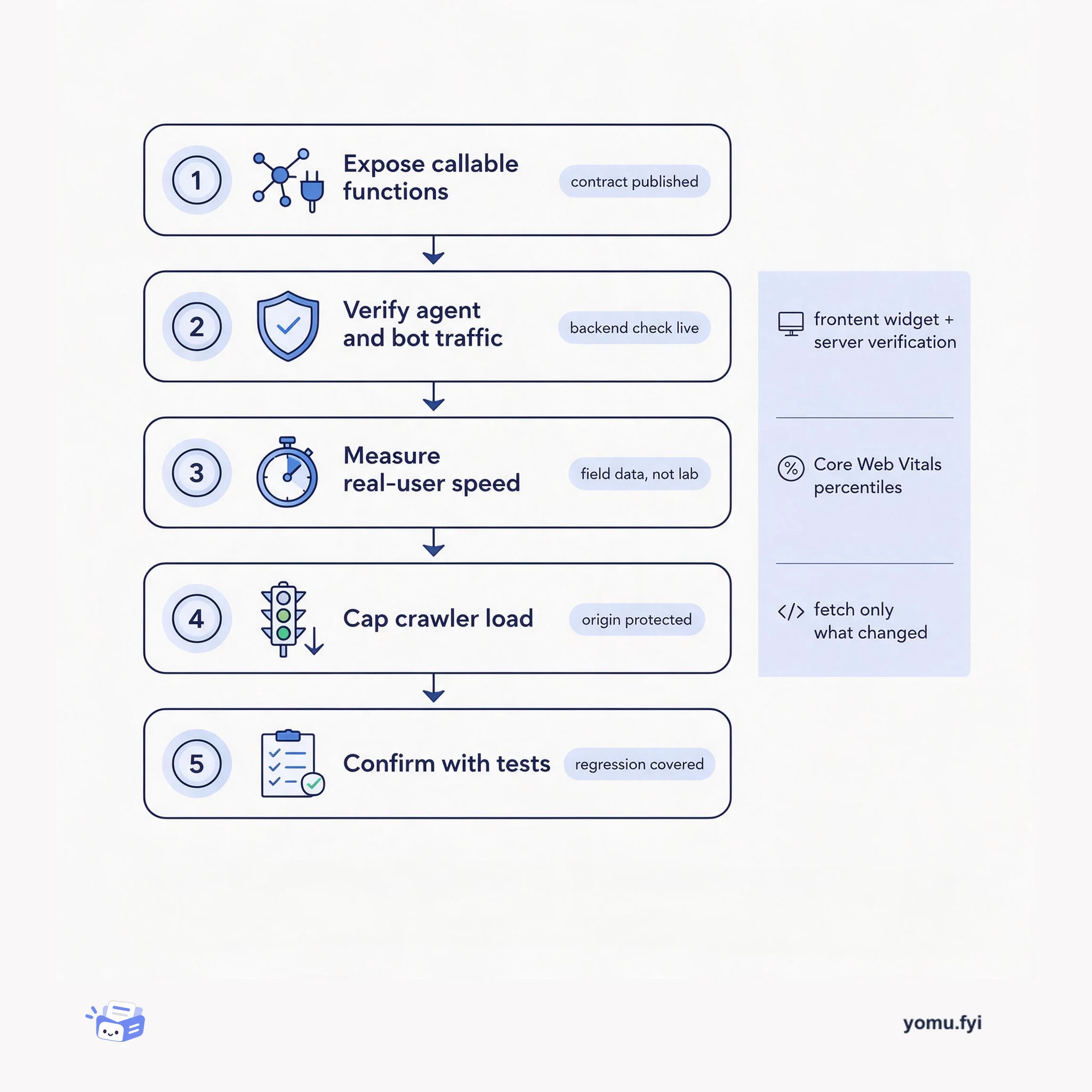
A five-step readiness checklist for teams whose sites are increasingly visited by AI agents: expose callable functions, verify bot traffic, measure real-user speed, and control crawler load.
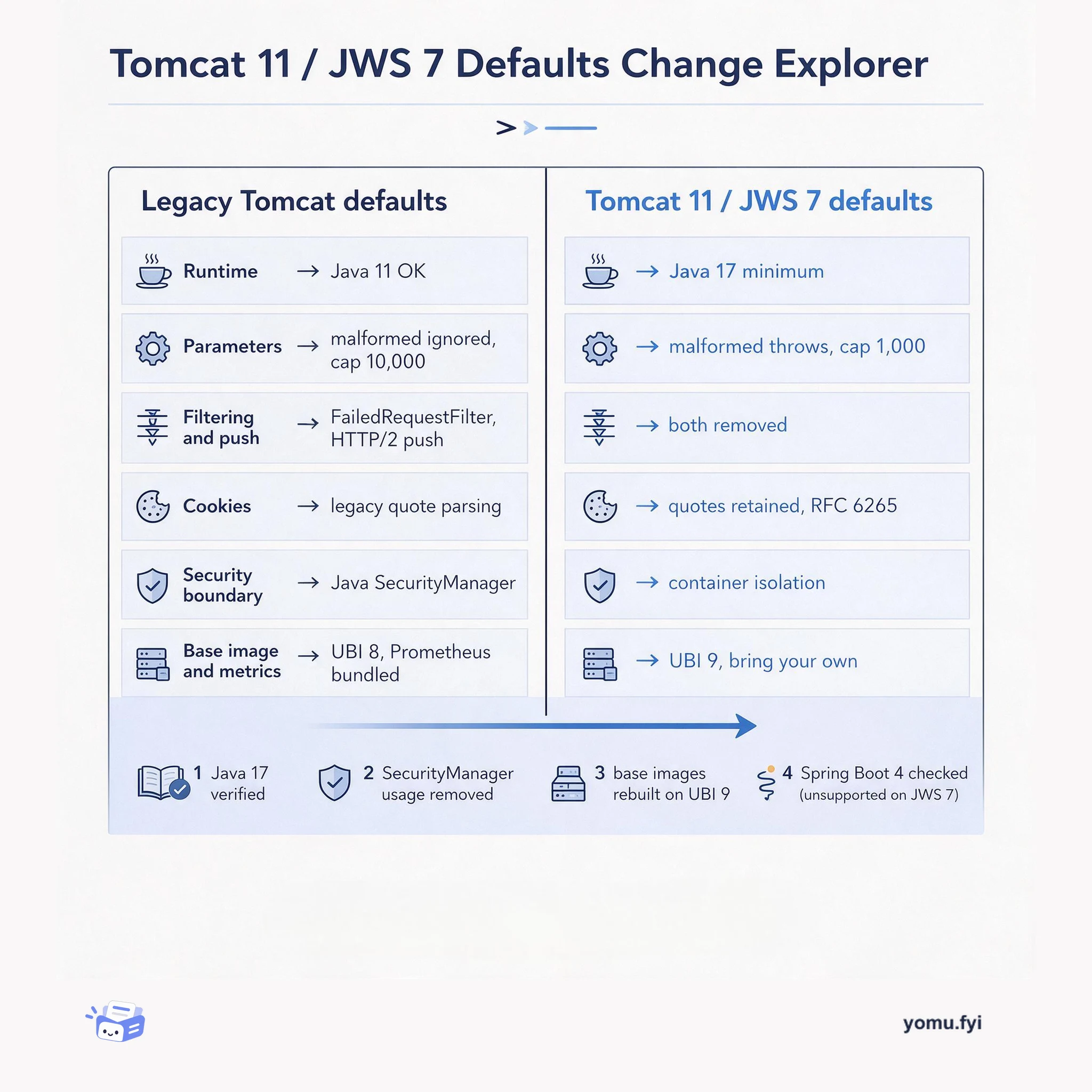
A side-by-side comparison of legacy Tomcat defaults and the strict defaults in Tomcat 11, showing which behaviors change and what to verify before you upgrade a Java web tier.
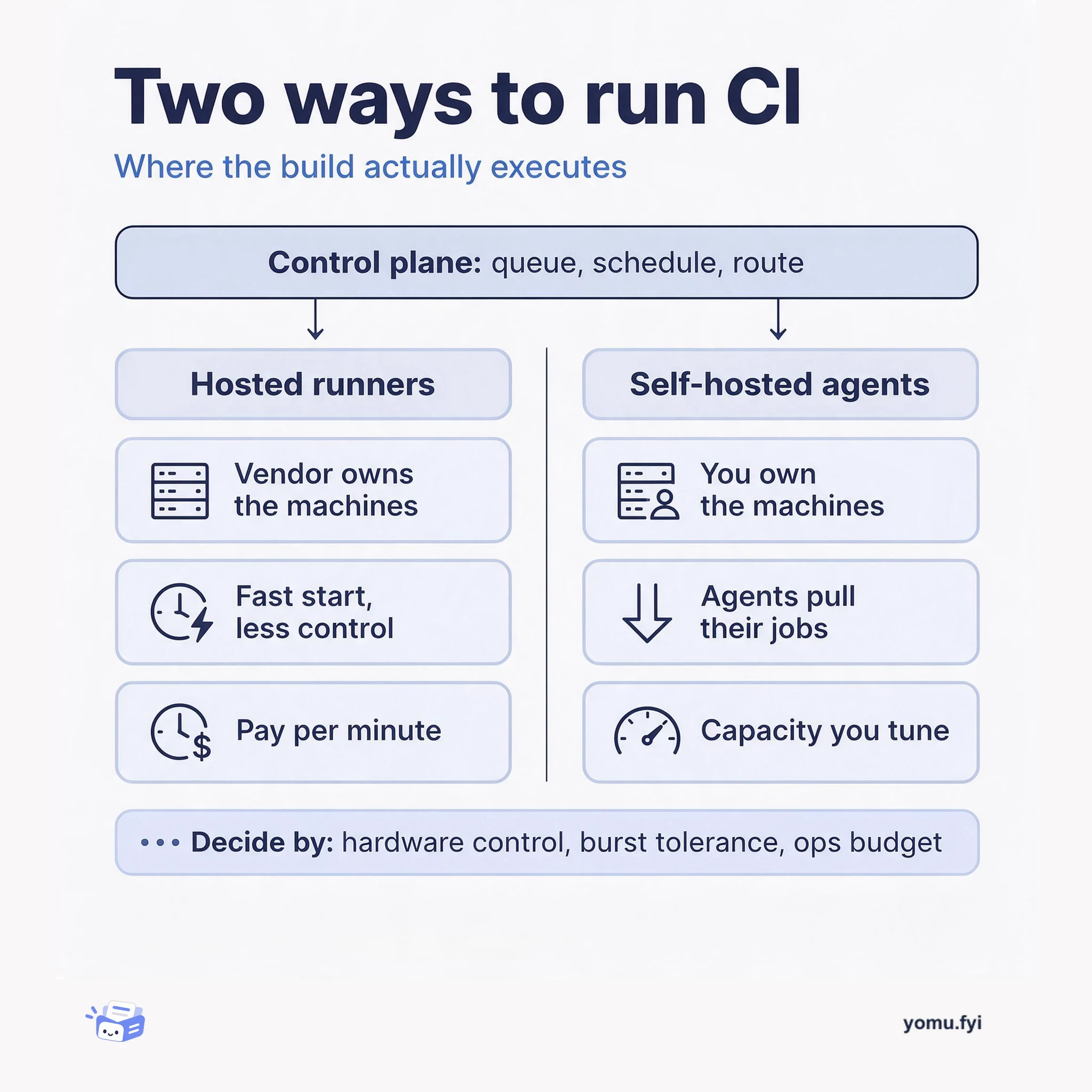
Buildkite splits CI into a hosted control plane and agents you run on your own machines. This comparison weighs that self-hosted agent model against fully hosted runners so you can pick the right fleet.
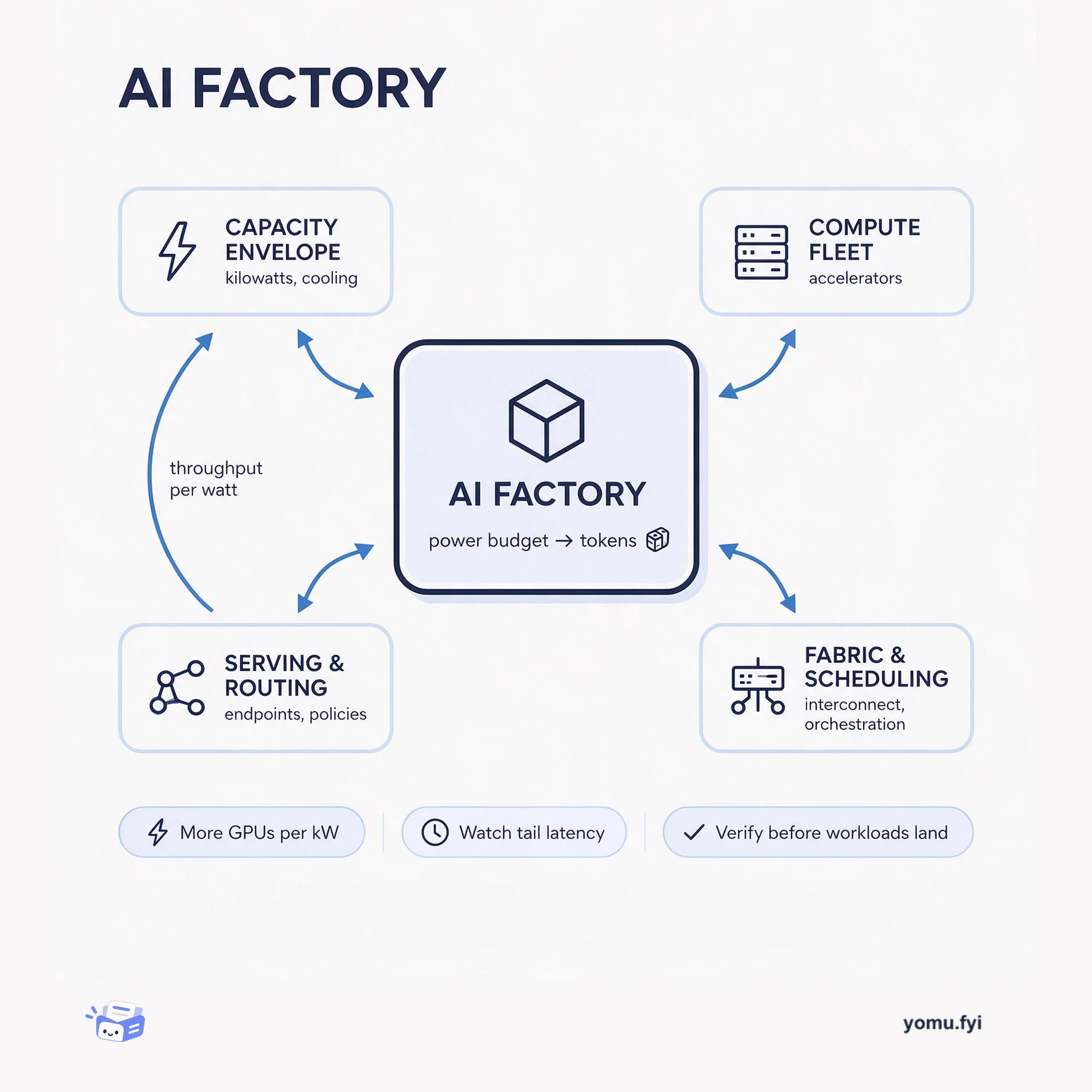
An AI factory is a fixed power and cooling budget converted into model output. This explainer maps its four parts and the throughput-per-watt trade-offs that connect them.
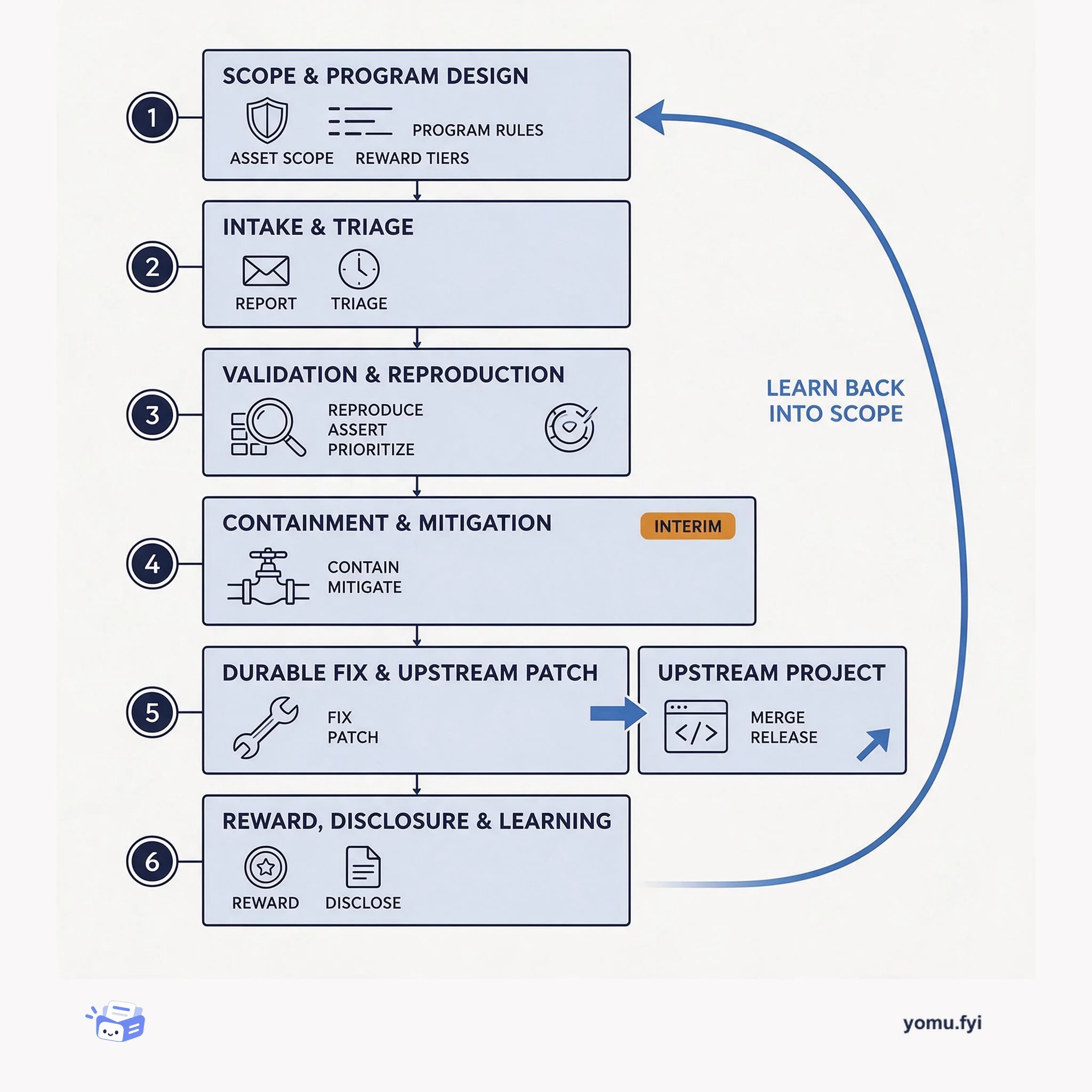
An architecture view of a bug bounty program: scope, triage, validation, containment, durable fix, and payout, plus the loop that turns each report into stronger defaults.
The Good Stuff
Paid picks we use ourselves. Links carry a referral code — a subscription through one earns us a commission at no extra cost to you.
One useful email. Unsubscribe anytime.