Anomaly Detection: From Baseline to Action
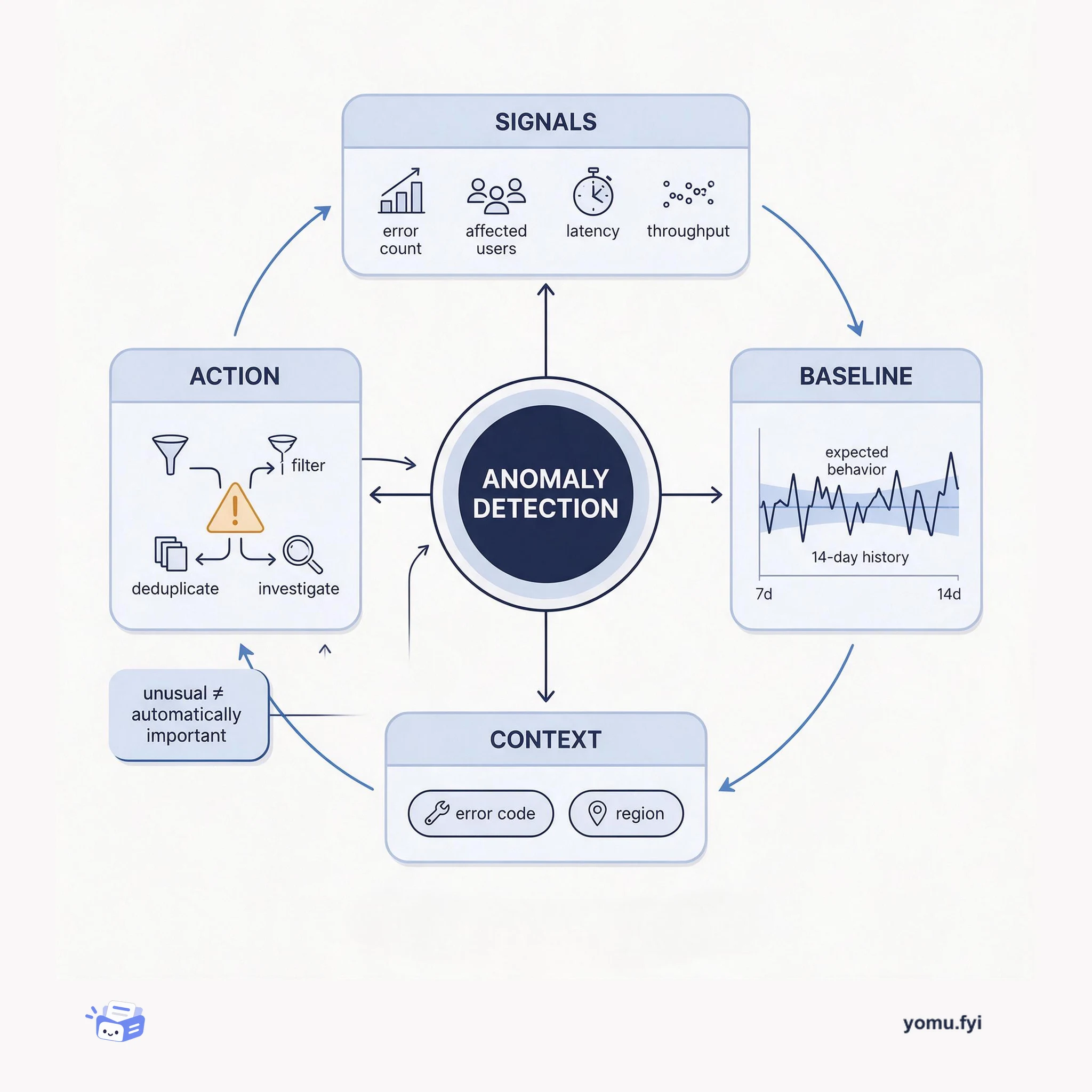
Anomaly detection identifies meaningful departures from expected behavior. This explainer shows how signals, baselines, context, and alert routing turn unusual measurements into engineer-ready findings.
Loading…
Visual explainers
Visual introductions to the engineering concepts behind the tools we use.
Anomaly detection identifies meaningful departures from expected behavior. This explainer shows how signals, baselines, context, and alert routing turn unusual measurements into engineer-ready findings.
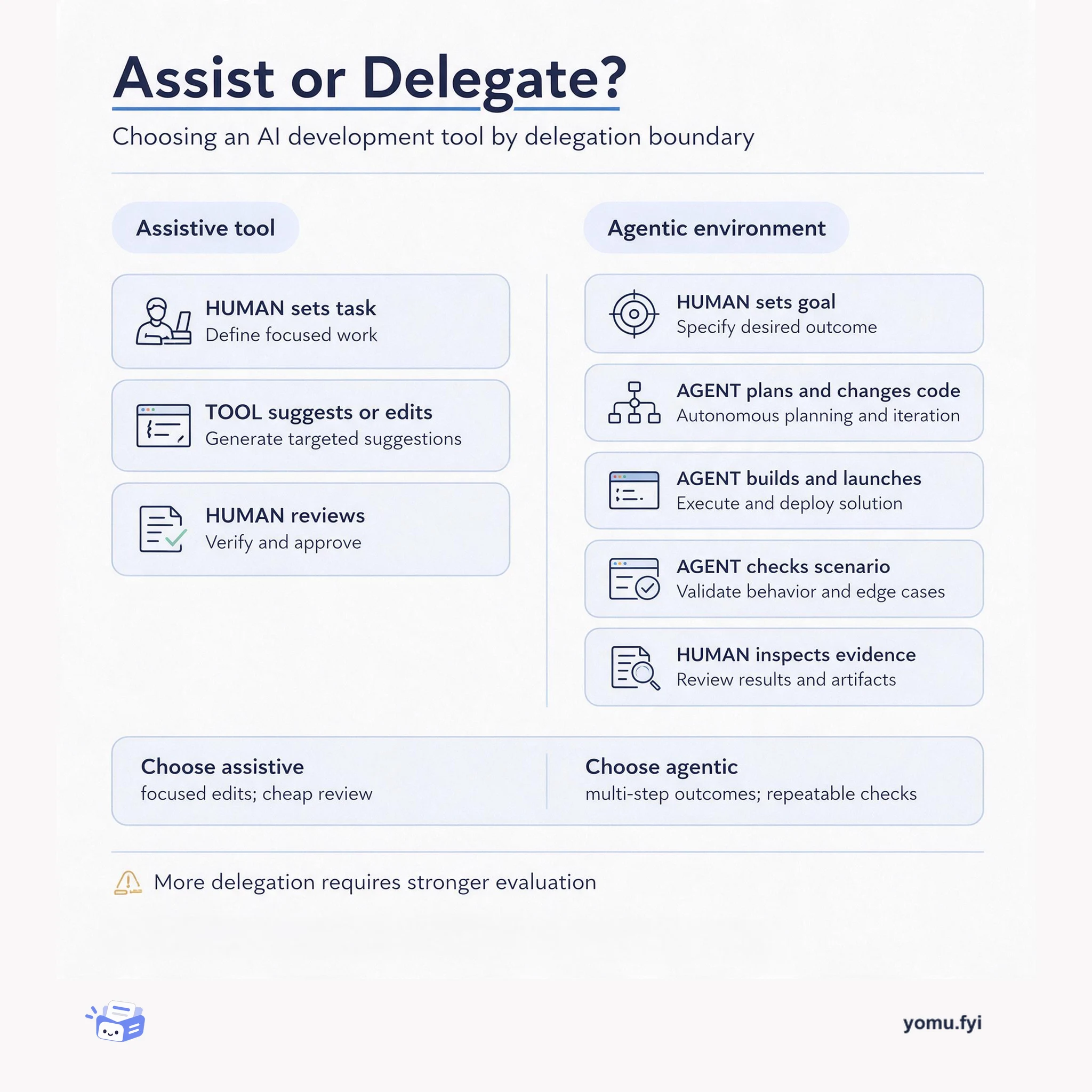
Compare assistive coding tools with agentic development environments to see where human control, automation, verification, and evaluation belong in the workflow.
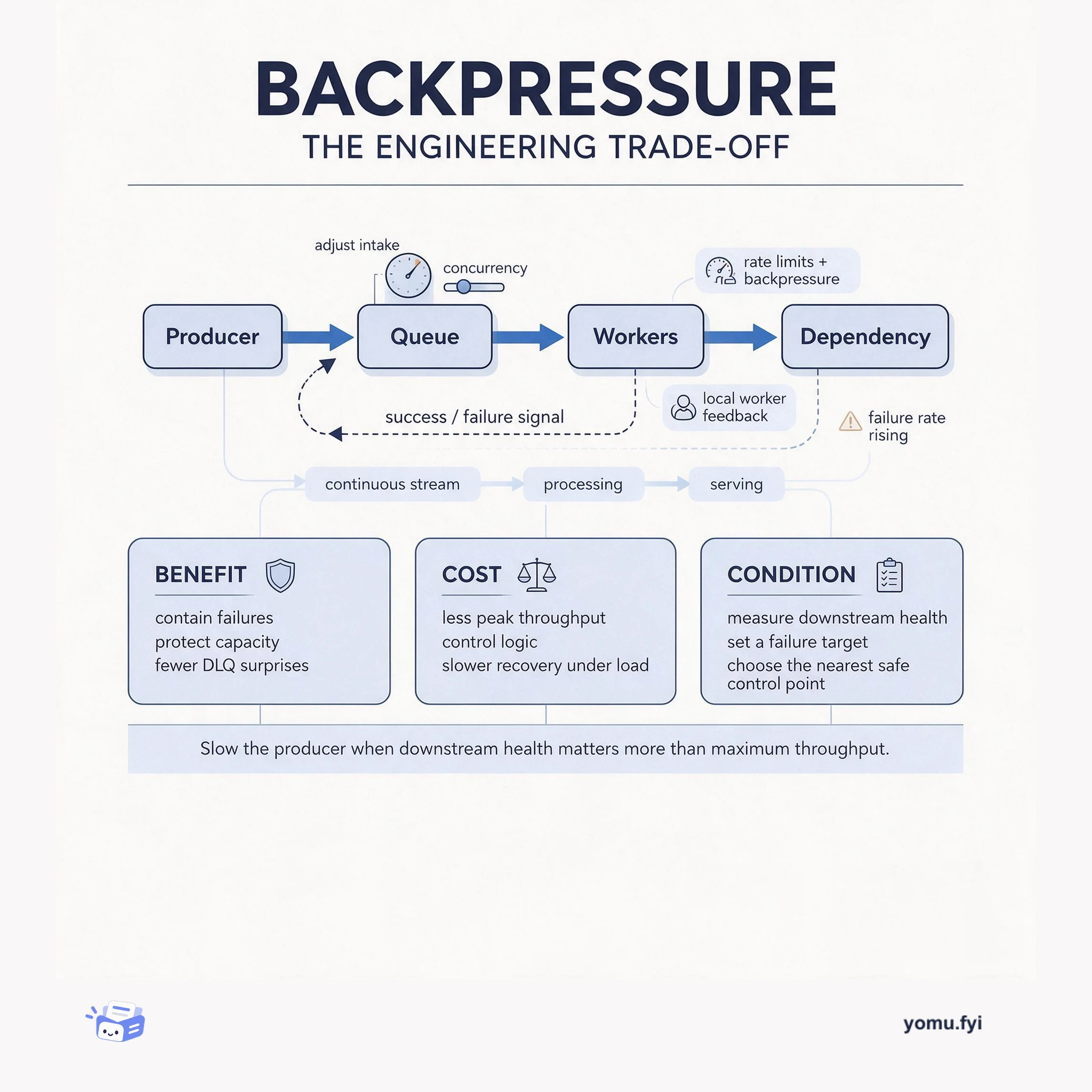
Backpressure is a feedback loop that slows work when downstream capacity or health deteriorates. Compare its gains, costs, and signals for choosing a control point.
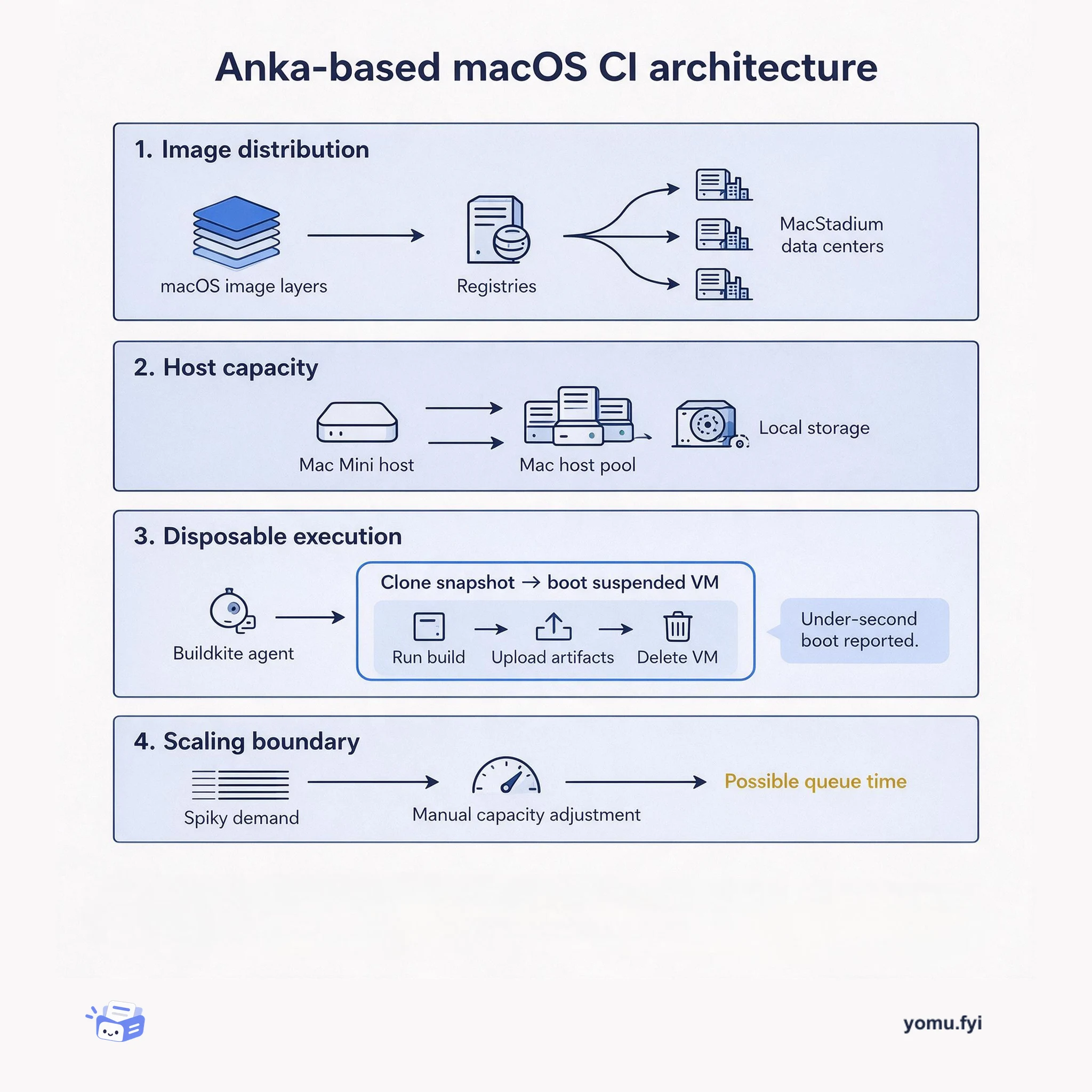
Anka is a Docker-like macOS virtualization layer for disposable CI environments. This architecture shows how images, Mac hosts, snapshots, build agents, and artifacts connect.
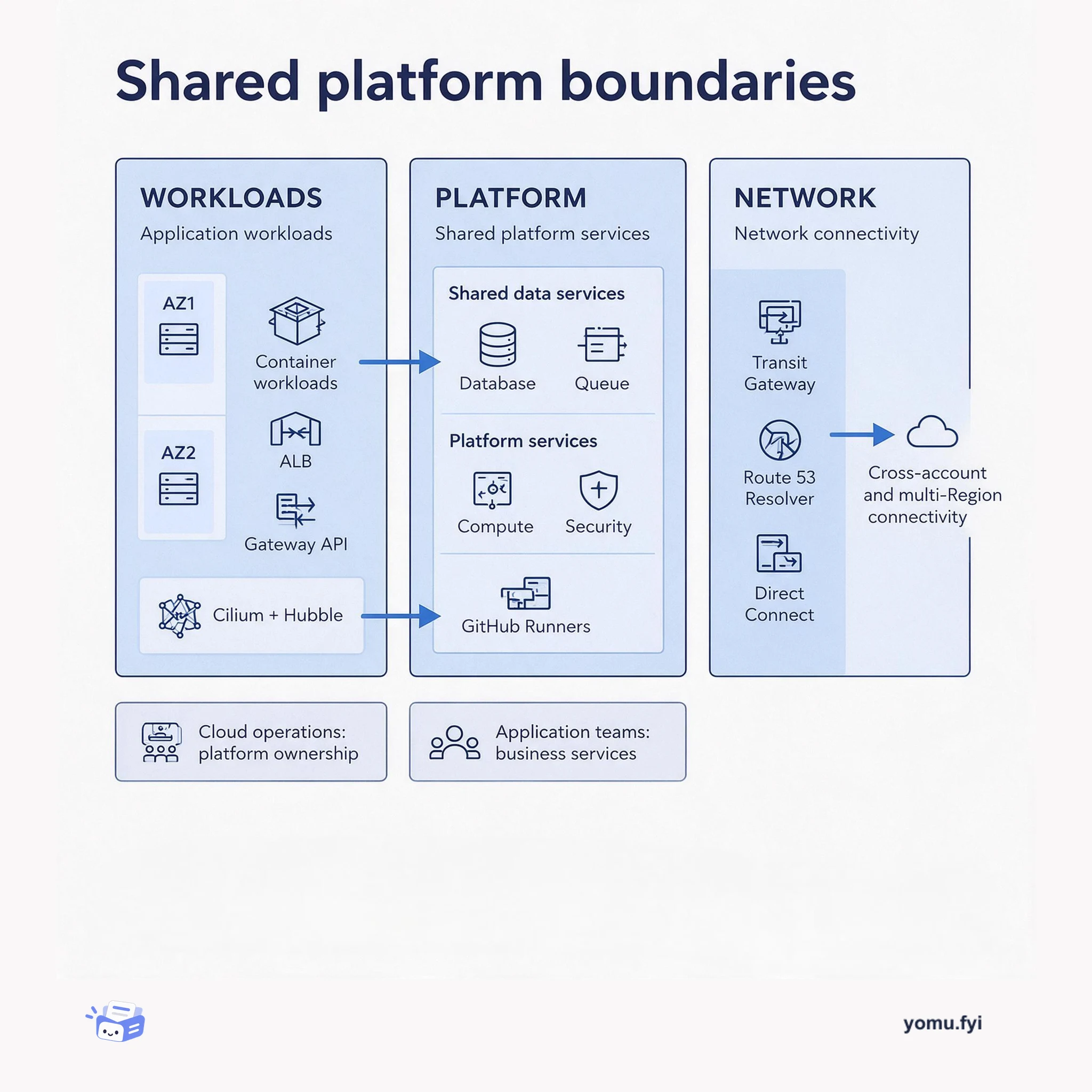
See how a shared Amazon EKS architecture separates workloads, platform services, and network connectivity so teams can scale delivery without multiplying operational ownership.
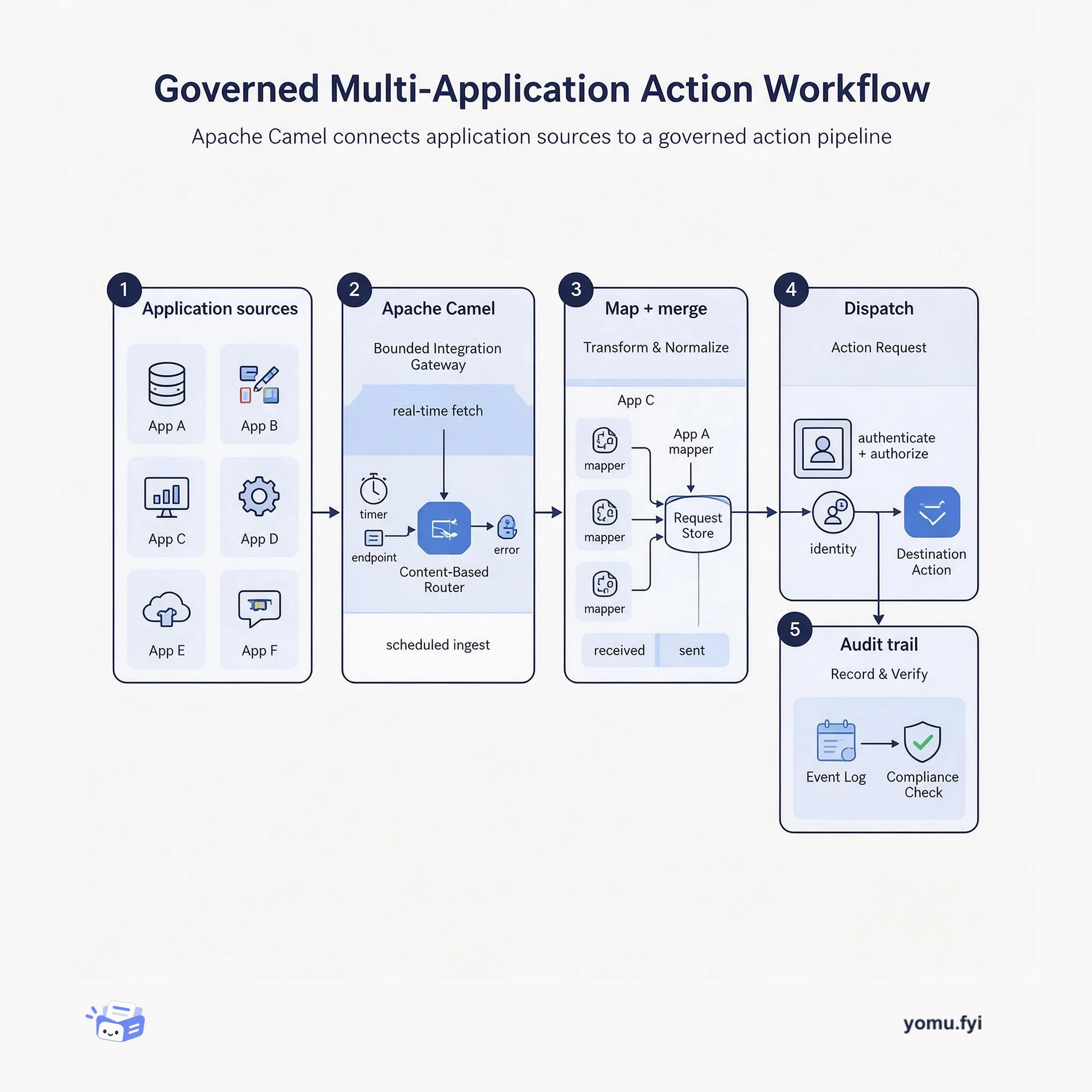
Apache Camel is shown as the integration path that brings application actions into one request workflow. The diagram clarifies real-time versus scheduled ingestion, mapping, merging, authorization, and audit.
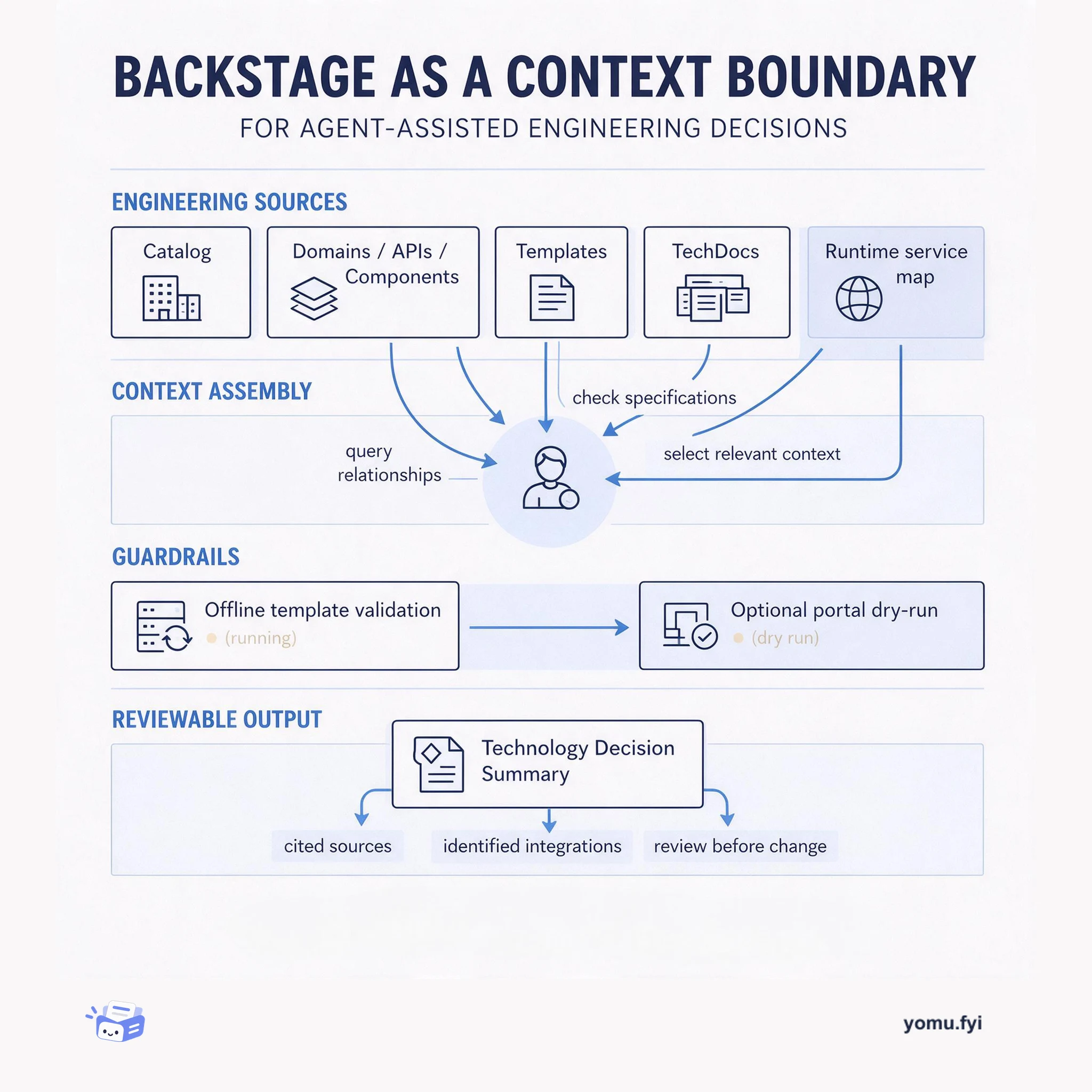
Backstage can act as an engineering context boundary: catalog entities, templates, and TechDocs inform an agent before it proposes changes. See where validation and review fit.
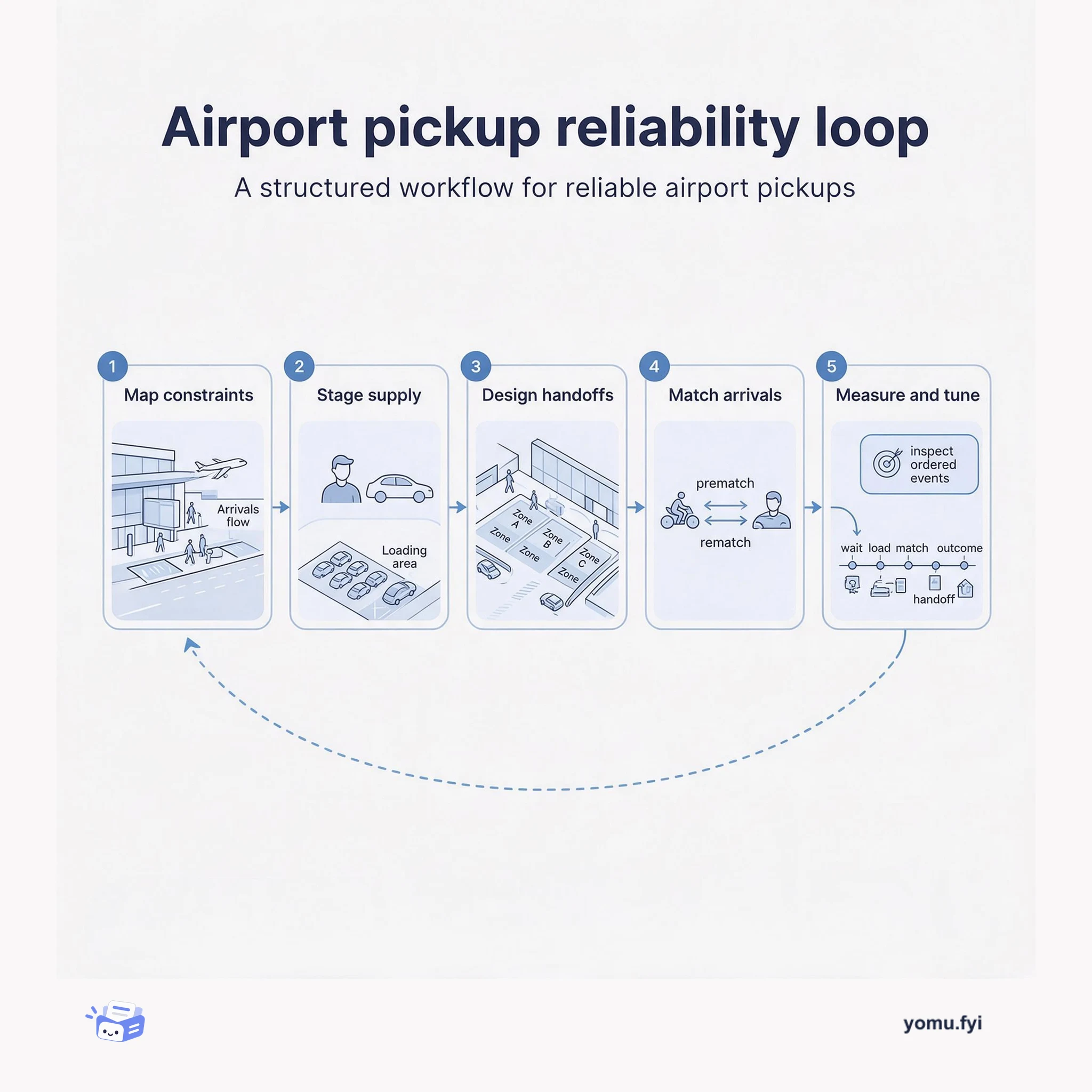
A practical checklist for designing reliable airport pickups: map curb constraints, stage drivers, simplify matching, and measure each handoff so improvements target the real bottleneck.
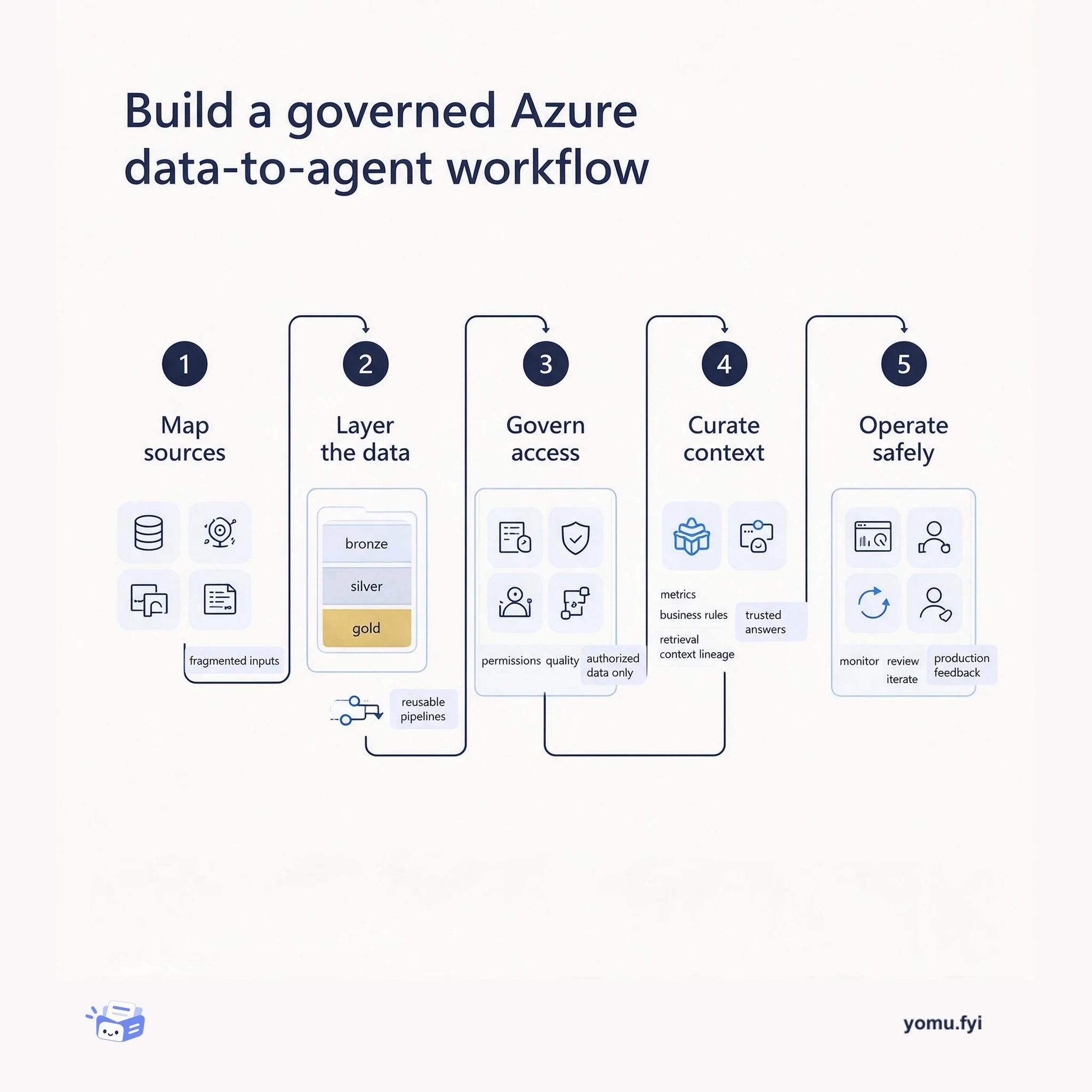
A practical Azure workflow for turning fragmented operational data into governed analytics and agent experiences, with checkpoints for layering, context, access, and deployment.
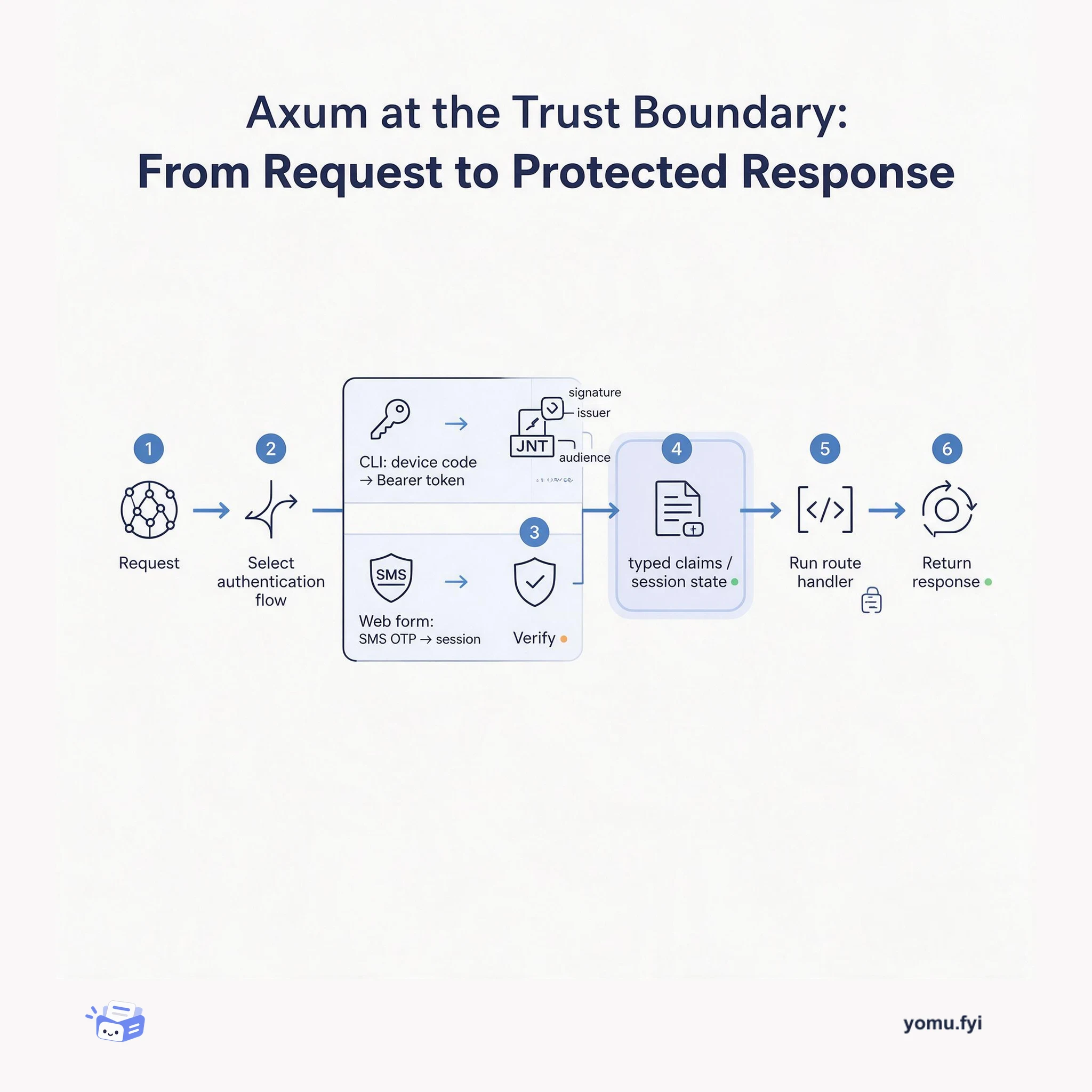
Axum is a Rust web framework for composing routes, middleware, and extractors. This explainer shows how different login flows become verified identity before a handler responds.
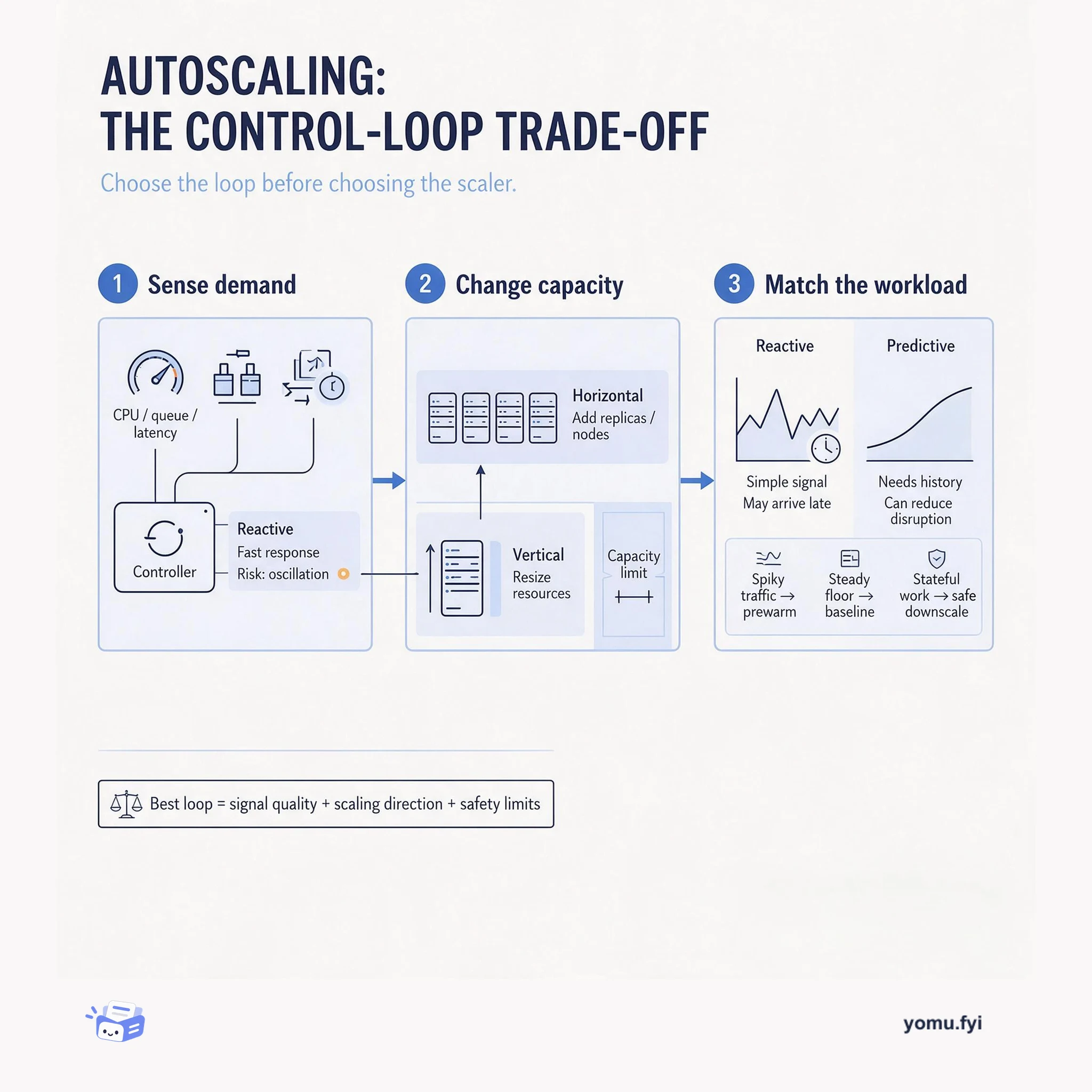
Autoscaling trades responsiveness, stability, and cost: this explainer shows how signal choice, scaling direction, and capacity limits shape the right control loop for a workload.
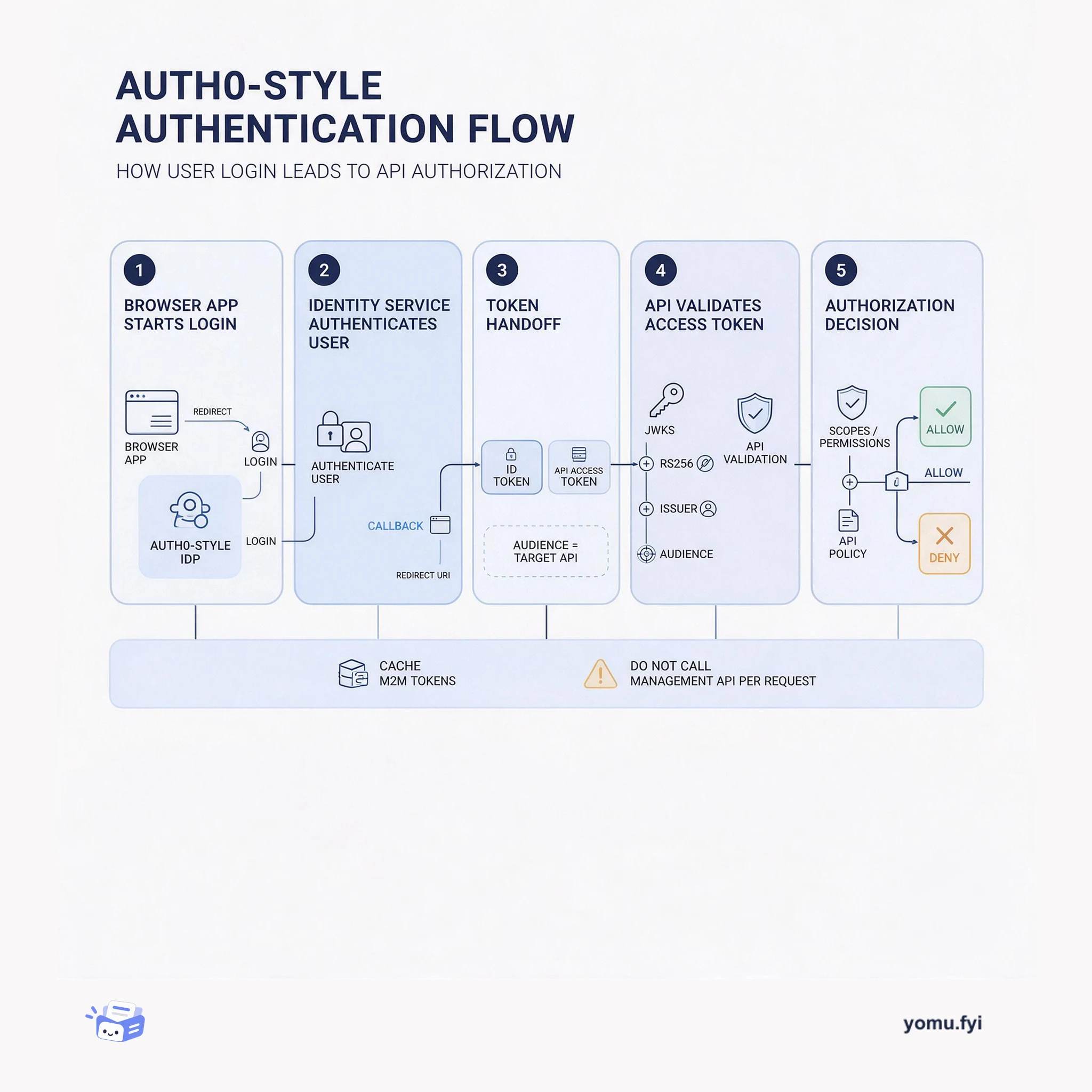
See how an Auth0 login becomes an API decision: redirect the user, issue the right token, validate its claims, and apply audience, scope, and access policies.
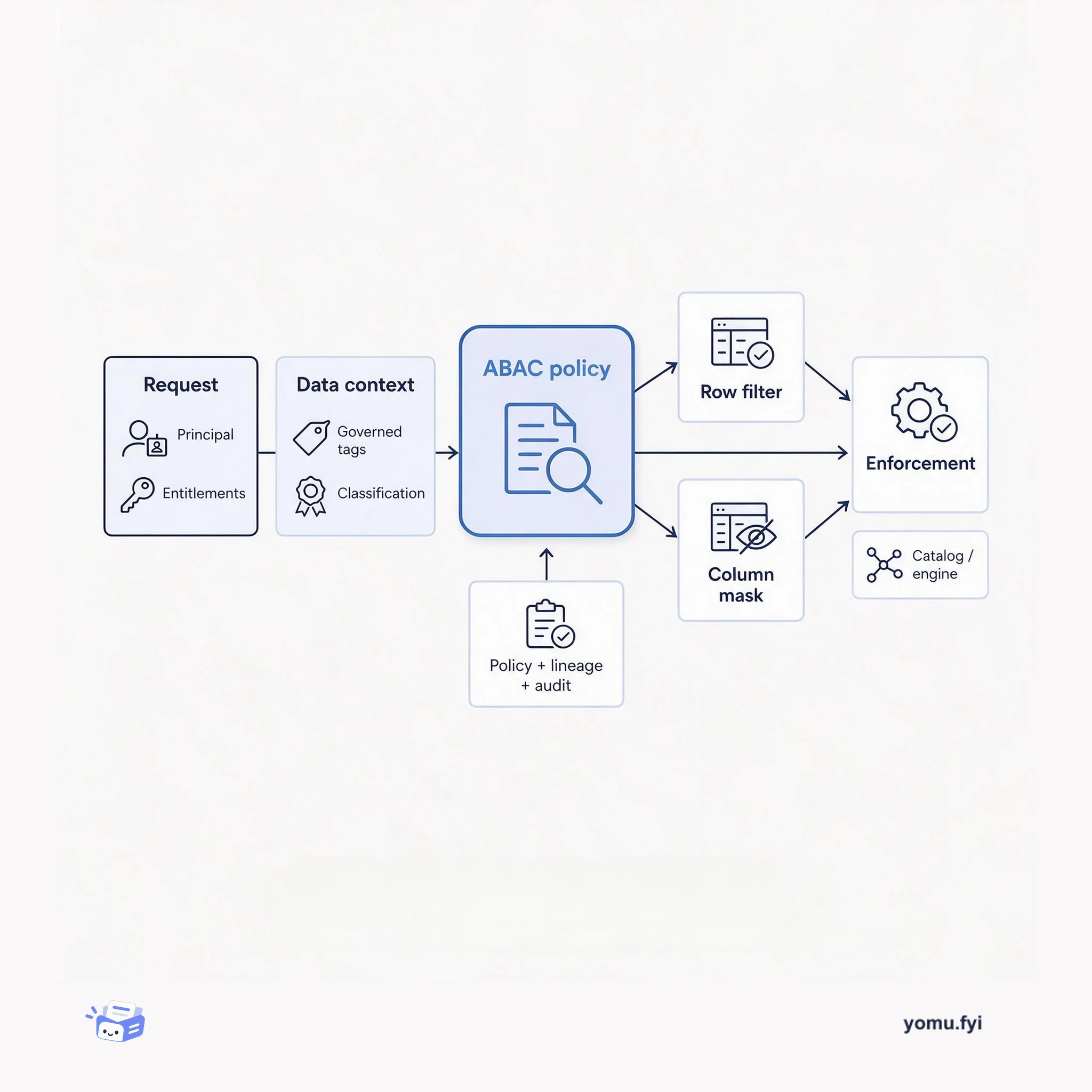
Attribute-Based Access Control uses identity and data attributes to decide access. This explainer shows how governed tags become row filters or column masks across data engines.
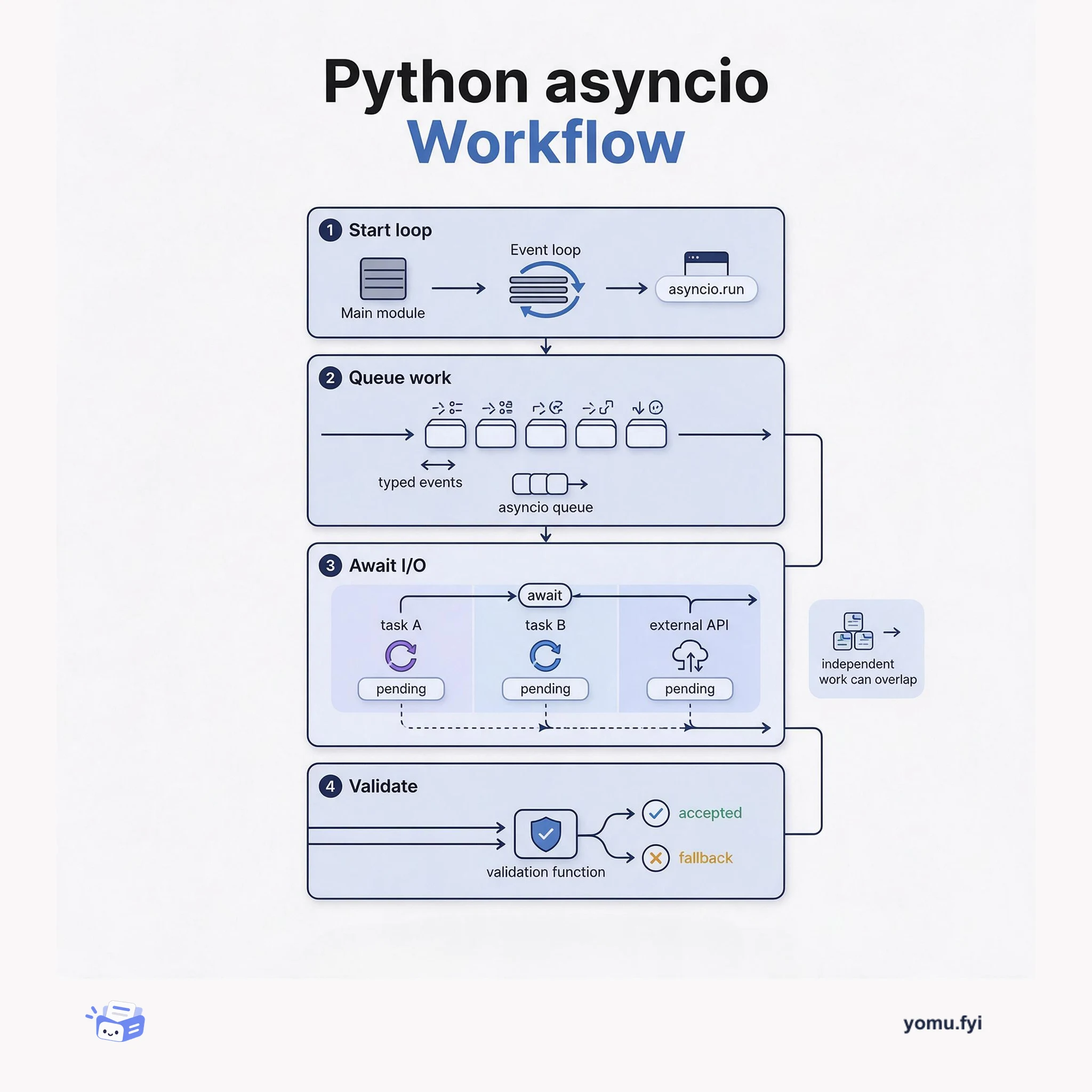
A practical asyncio workflow for moving independent work through typed events, queues, concurrent tasks, and awaited API calls. Learn where validation and fallback belong.
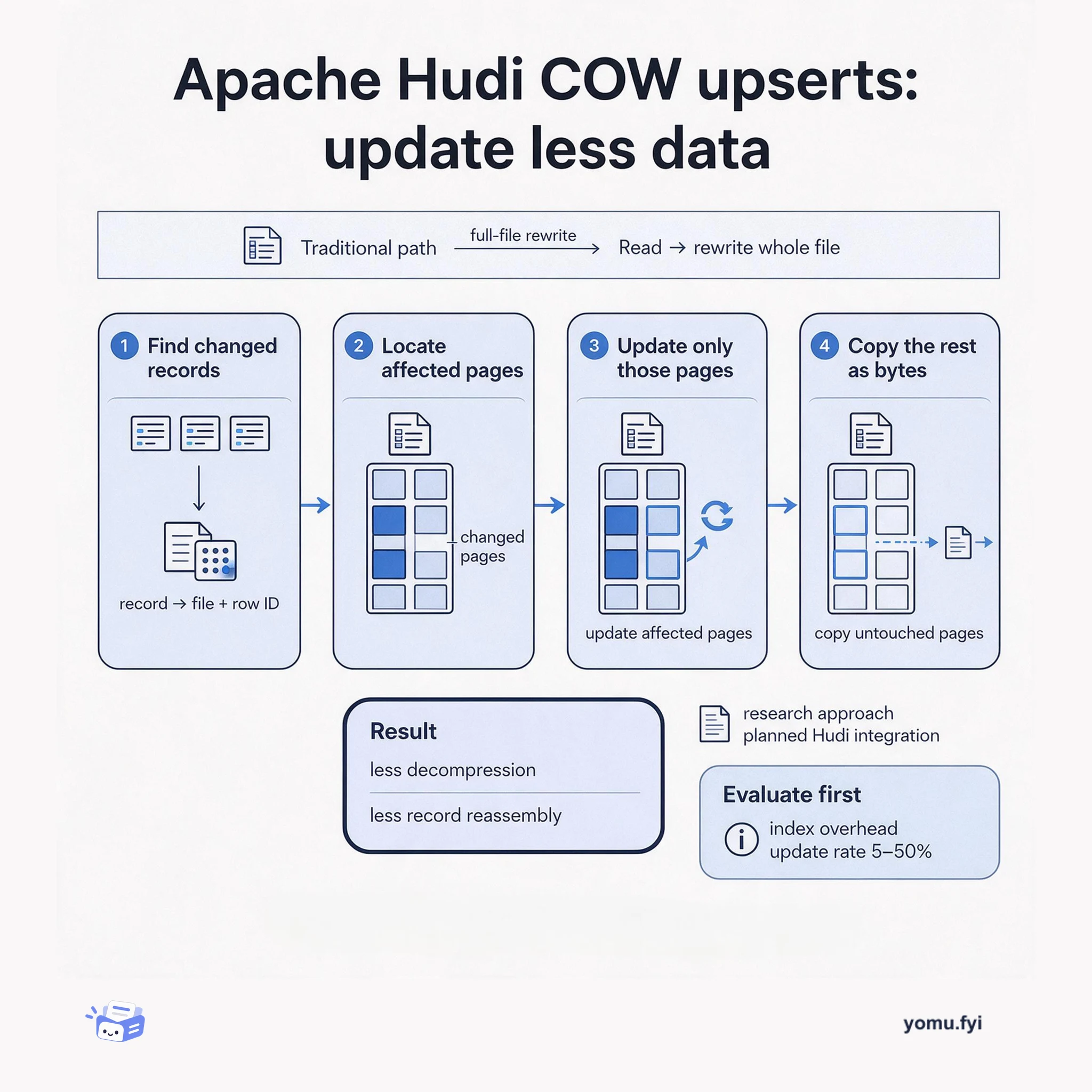
Learn how Apache Hudi copy-on-write upserts can use row-level file and page locations to update changed data while avoiding unnecessary decompression and rewriting.
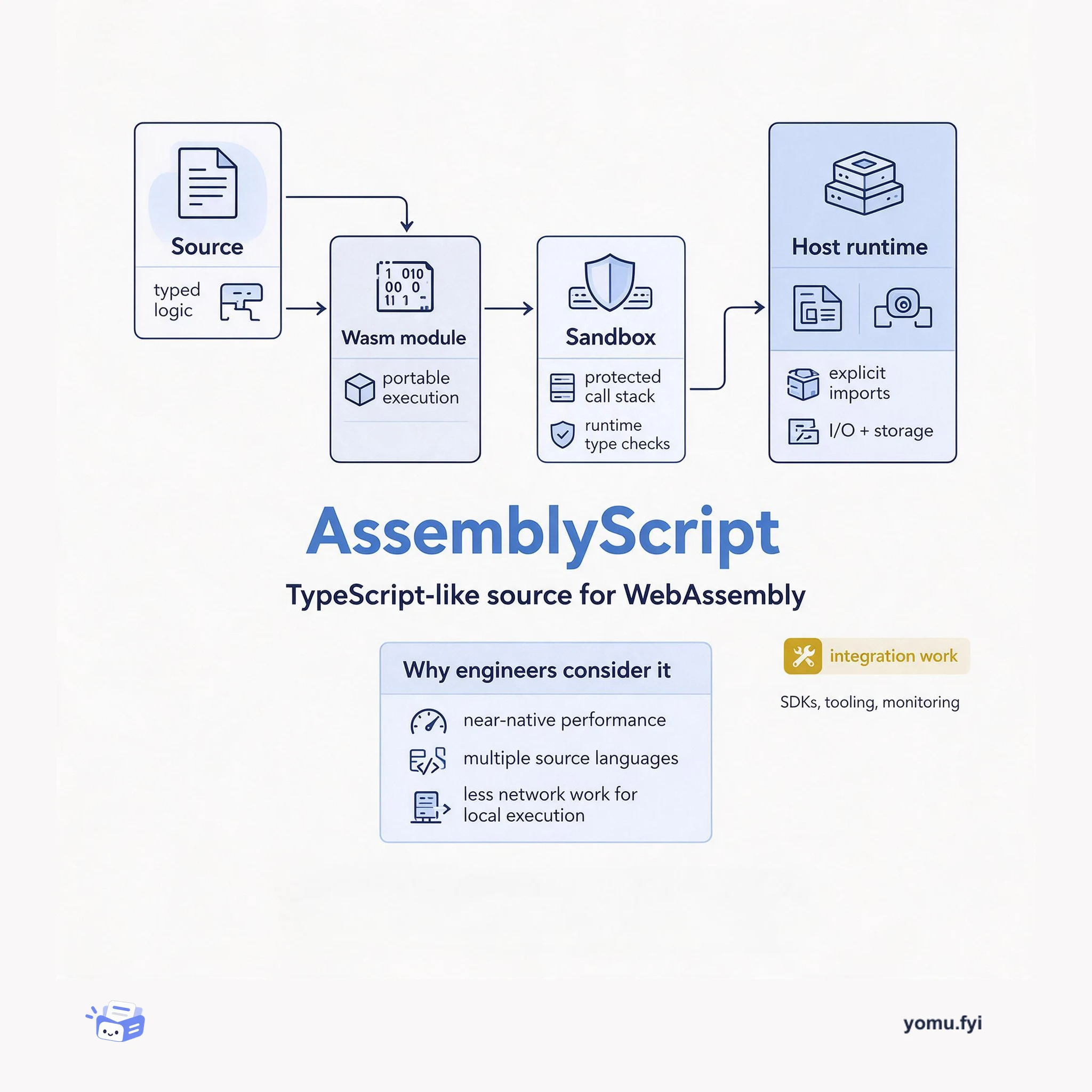
AssemblyScript is a TypeScript-like way to target WebAssembly. This explainer shows how source becomes a sandboxed module, crosses explicit host boundaries, and fits performance-sensitive services.
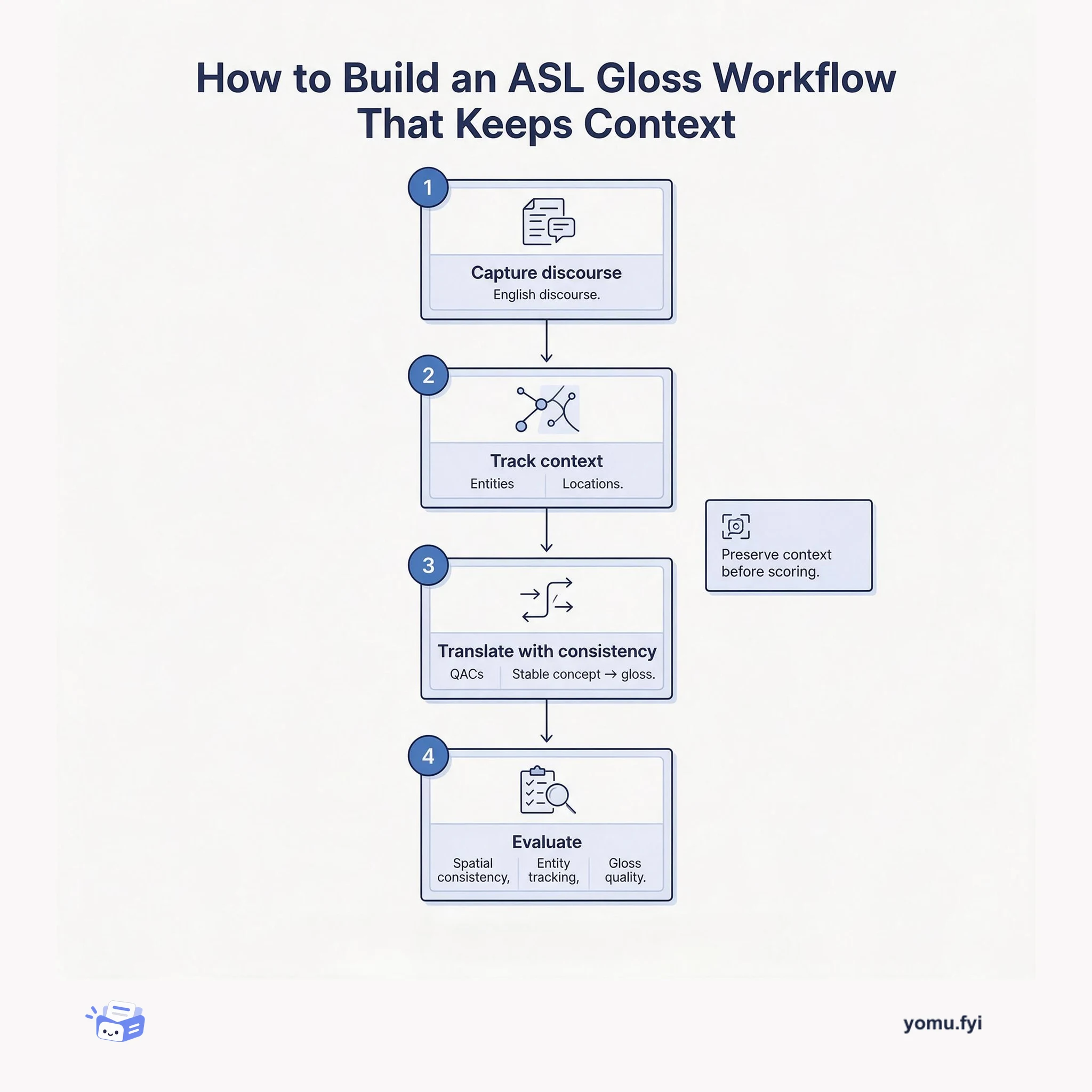
Learn a practical workflow for translating English discourse into ASL gloss while preserving spatial references, question-answer structure, and consistent concept-to-gloss mappings.
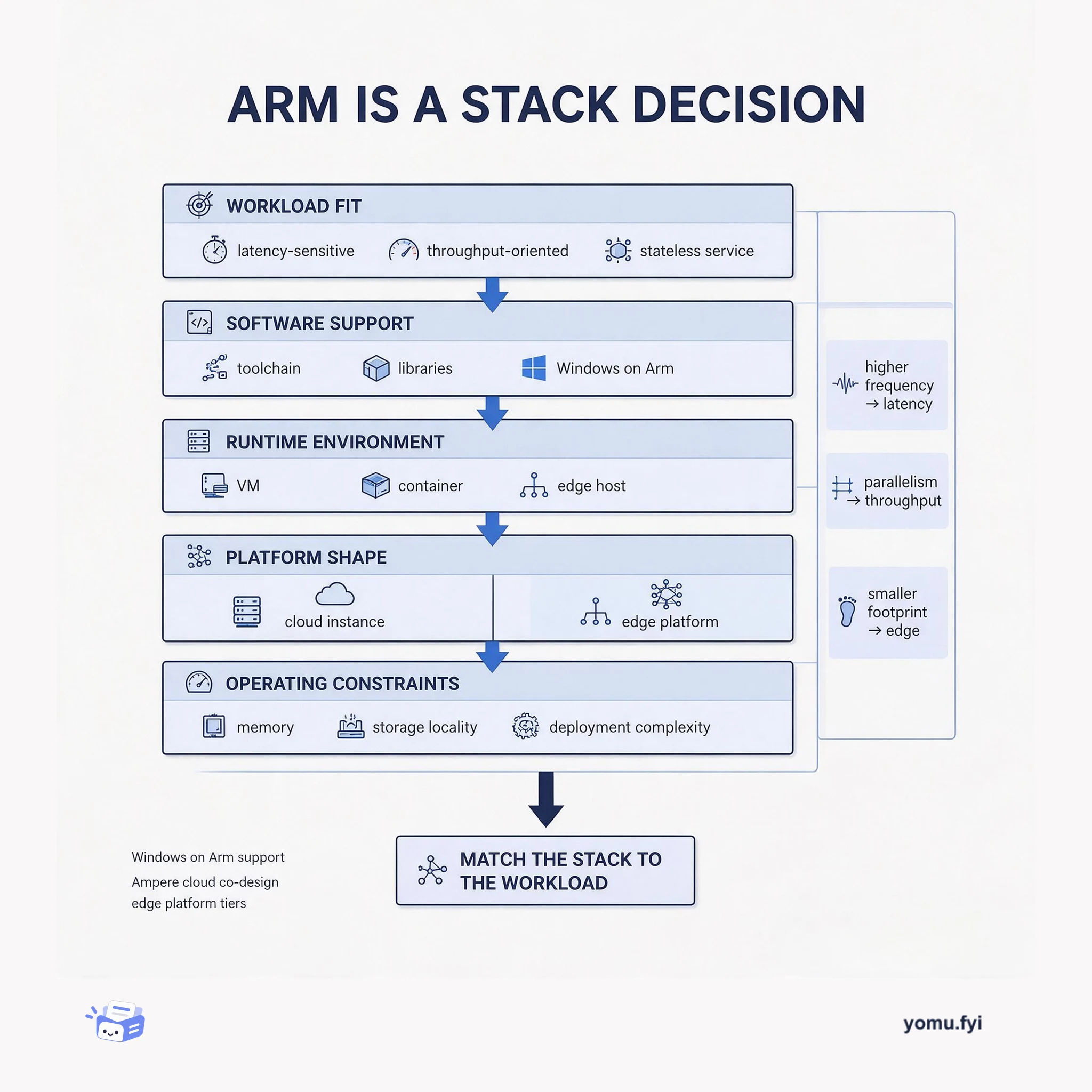
An architecture view of ARM deployments, from workload fit and software support to platform choice, showing where performance, memory, storage, and operations shape the decision.
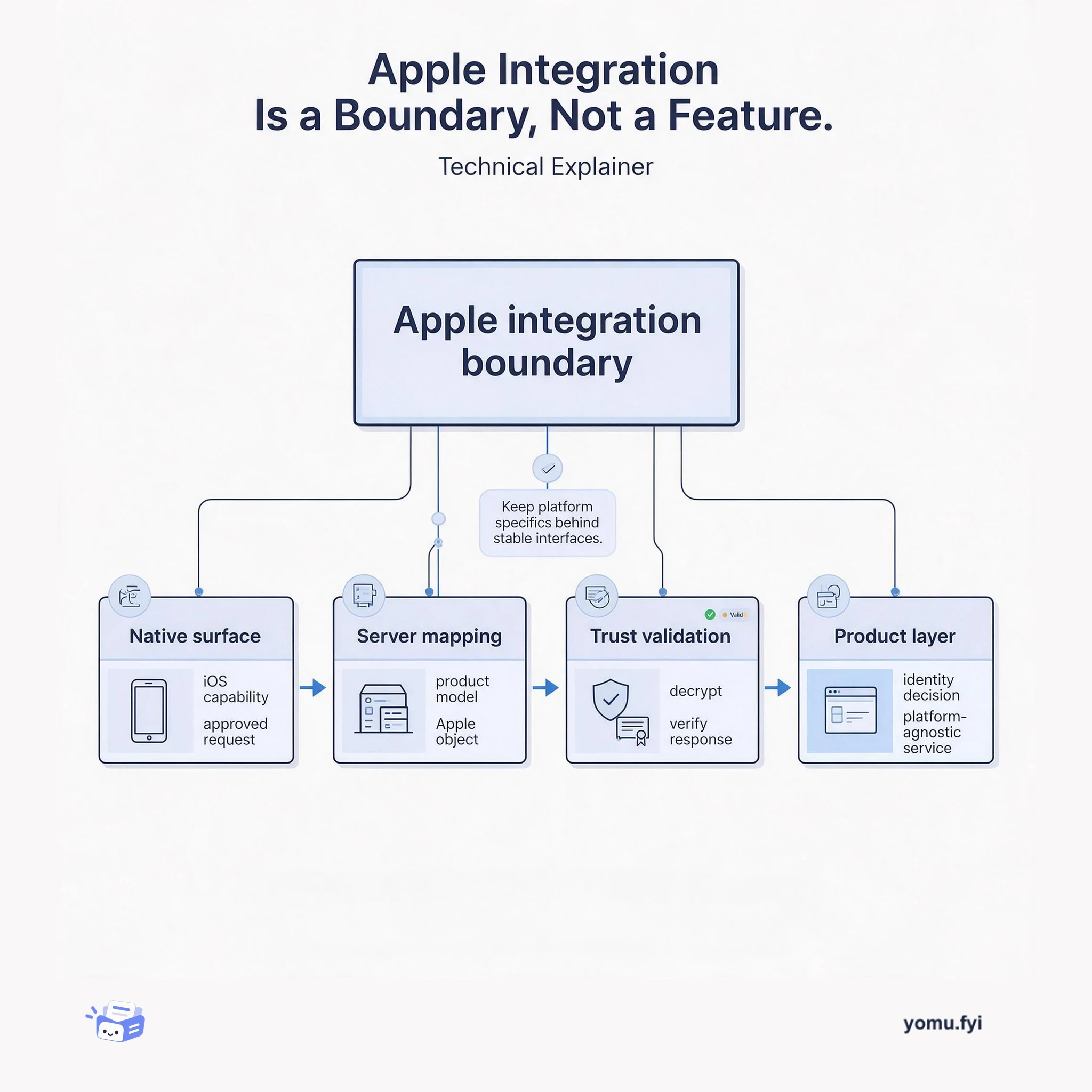
Apple integrations are boundary designs: native capability, server-side mapping, and trust checks must meet a platform-agnostic product layer. See where each responsibility belongs.
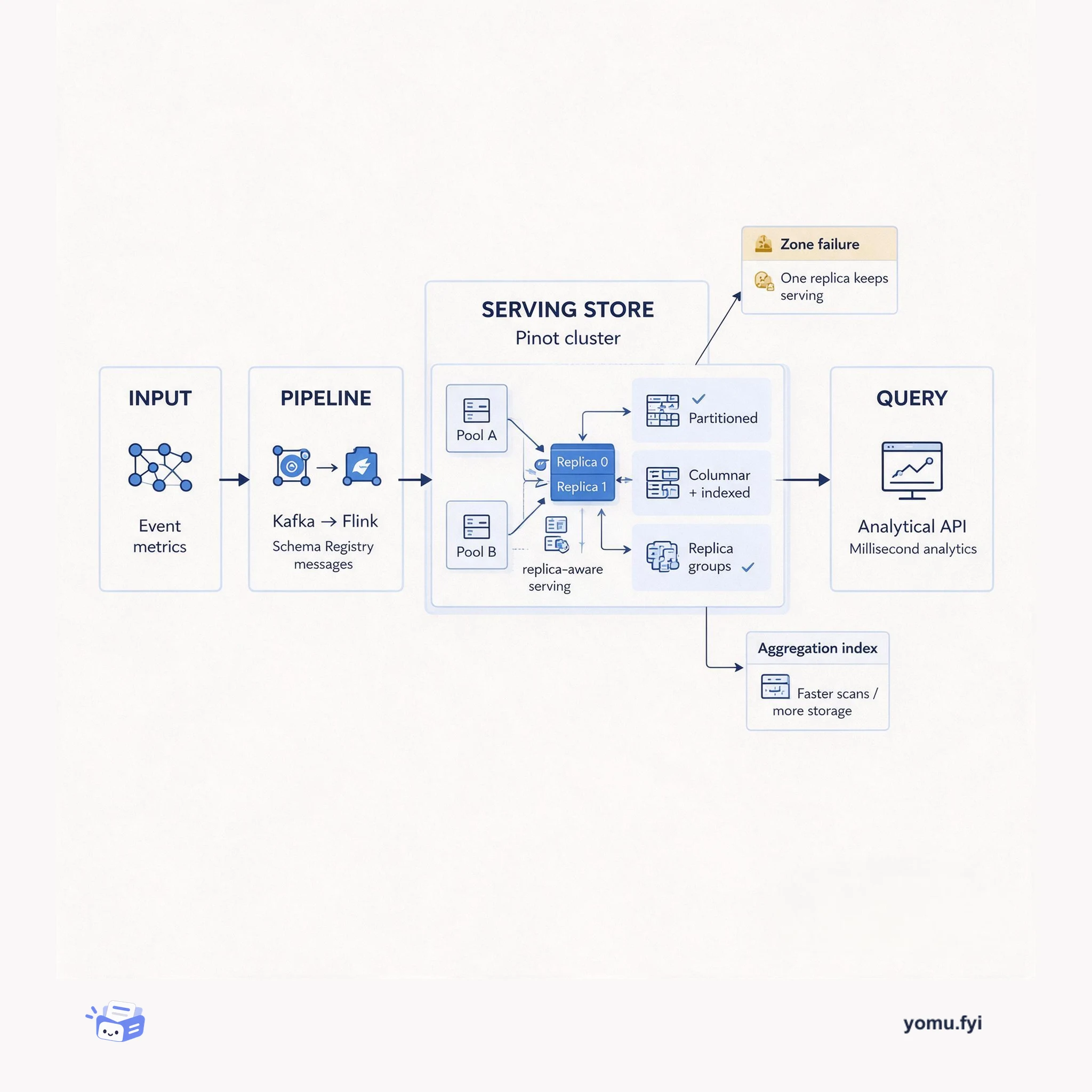
Apache Pinot is a distributed real-time OLAP datastore for low-latency analytics. This architecture view shows how streams, processing, partitioning, indexed storage, and replica-aware serving fit together.
The Good Stuff
Paid picks we use ourselves. Links carry a referral code — a subscription through one earns us a commission at no extra cost to you.
One useful email. Unsubscribe anytime.